


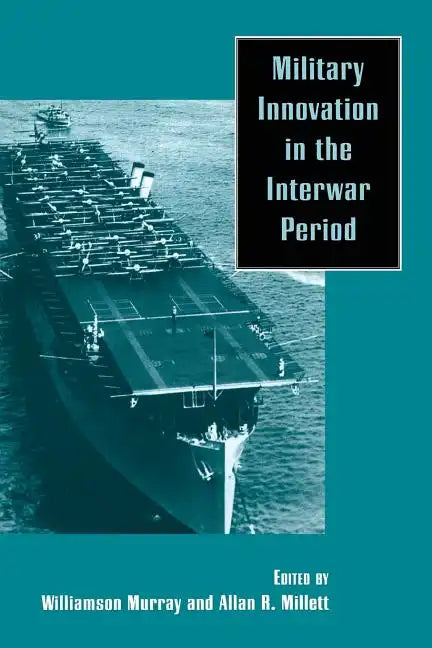
PRODUCT DESCRIPTION
by Williamson R. Murray (Editor), Allan R. Millett (Editor)
In 1914, the armies and navies that faced each other were alike, right down to the strengths of their companies and battalions and the designs of their battleships and cruisers. Differences were of degree rather than essence. During the interwar period, however, the armed forces grew increasingly asymmetrical, developing different approaches to the same problems. This study of major military innovations in the 1920s and 1930s explores differences in exploitation by the seven major military powers. The comparative essays investigate how and why innovation occurred or did not occur, and explain much of the strategic and operative performance of the Axis and Allies in World War II. The essays focus on several instances of how military services developed new technology and weapons and incorporated them into their doctrine, organization and styles of operations.
Back Jacket
In 1914, the armies and navies that faced each other were alike down to the strengths of their companies and battalions and the designs of their battleships and cruisers. Differences were of degree rather than essence. During the interwar period, the armed forces grew increasingly asymmetrical, developing different approaches to the same problems. This study of major military innovations in the 1920s and 1930s explores differences in innovating exploitation by the six major military powers. The comparative essays investigate how and why innovation occurred or did not occur, and explain much of the strategic and operational performance of the Axis and Allies in World War II. The essays focus on several instances of how military services developed new technology and weapons and incorporated them into their doctrine, organization, and styles of operations.


