Skip to content
Welcome To Our Store.
100,000+ Products for Home, Medical, Office & Classroom Needs
Search
Skip to product information
1 of 1

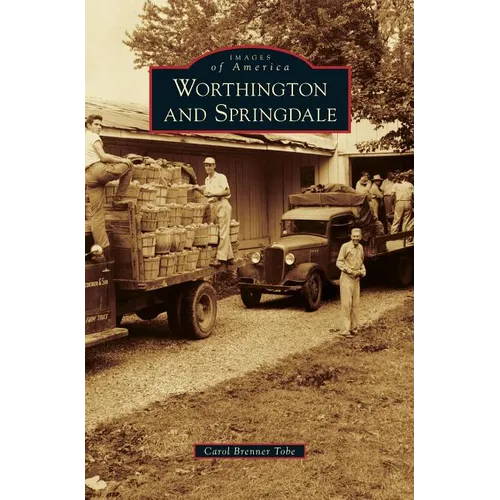
Worthington and Springdale - Hardcover

$34.54 USD
$34.54 USD
Sale Sold out
Shipping calculated at checkout.
In stock (100 units), ready to be shipped

Available Offers

Fastest Delivery Tomorrow With Vip DealOrder within 1 hr 8 mins.

Instant 10% Discount On HDFC Banks Credit/Debit Cards EMI and CreditCard

Secure checkout with
  • American Express
  • Apple Pay
  • Diners Club
  • Discover
  • Google Pay
  • Mastercard
  • PayPal
  • Shop Pay
  • Visa

Flight Range: Up to 1,000 meters (3,280 feet)

Maximum Speed: 45 kilometers per hour (28 miles per hour)

For all orders exceeding a value of 100USD shipping is offered for free.

Returns will be accepted for up to 10 days of Customer’s receipt or tracking number on unworn items. You, as a Customer, are obliged to inform us via email before you return the item.

Otherwise, standard shipping charges apply. Check out our delivery Terms & Conditions for more details.

View Product Details
Shopping cart
Product Product subtotal Quantity Price Product subtotal
Worthington and Springdale - Hardcover
$34.54/ea
$0.00
$34.54/ea $0.00

Product Description

by Carol Brenner Tobe (Author)

The Jefferson County communities of Worthington and Springdale are located on Brownsboro Road, 12 miles east of Louisville. The area's abundant water sources and fertile soil attracted the earliest settlers in the late 1700s, and farms, mills, and blacksmith shops sprang up along the streams. The Brownsboro Road (originally called Brownsboro Turnpike) served farmers selling their produce, as well as the wealthy "gentleman farmers" who built fine homes in the rural countryside. The fertile soil was particularly suited to growing potatoes, and the Worthington Potato Growers Cooperative handled thousands of barrels daily. The community came together to construct churches and a fine stone school building, establish a cemetery, and organize a fire department. The historic African American community of Taylortown survives in the Taylortown African Methodist Episcopal (AME) Zion Church, established in 1868. Today, suburban sprawl has erased all but a few vestiges of the once-thriving farming communities.

Number of Pages: 130
Dimensions: 0.38 x 9.61 x 6.69 IN
Publication Date: January 12, 2015
you might like