


Product Description
by P. Joseph Mario Ritvik (Author)
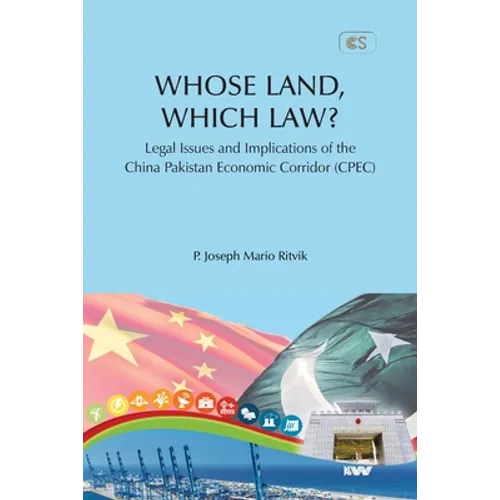
The China-Pakistan Economic Corridor (CPEC) is, essentially, a framework for regional connectivity. The aim of the project is to connect China's north-western region of Xinjiang to the Gwadar port of Baluchistan. It is a part of the "Belt and Road Initiative," a Chinese Initiative for boosting multinational economic cooperation and prosperity. At the international level, legality is frequently overshadowed by geopolitics. When it comes to a project such as the Belt and Road Initiative, despite being initiated at the international level, the entire project is entirely dependent on the domestic legal frameworks of the member states for actual implementation. The China-Pakistan Economic Corridor requires that the legal system in Pakistan is geared and ready for the incoming projects and the inevitable legal disputes that may arise given the involvement of several private parties from both China and Pakistan. The current international treaties and covenants between the two nations will also play a significant role in the success of the CPEC as any development and investment from China into Pakistan will be governed by these treaties. Apart from the legal practicalities of the actual CPEC projects, the legal tangle between India and Pakistan over the Gilgit-Baltistan issue will also play an important role in determining the success of the CPEC. This monograph makes an attempt to cut through the political rhetoric and promises of economic development from China to see whether the legal climate in Pakistan is suitable for the CPEC to take off and bring in the promised economic rewards that Pakistan hopes to gain by partnering with China.
Part I: The International Trade and Investment Regime between China and Pakistan
Part II: Dispute Settlement Framework for CPEC
Part III: India's Legal Concerns Over Territorial Sovereignty-Role in CPEC
The Way Forward-Legal or Political?



