


Product Description
by Robert P. Ingalls (Author)
From reviews of the hardcover edition
"Ingalls's hard-hitting indictment is an important addition to the literature on the role of elites in the 'New South' and the extremes to which they would resort to maintain their hegemony."--John Dittmer, Journal of Southern History
"Ingalls's exhaustive examination of early twentieth-century strikes, of the membership and tactics of the citizens' committees, of the antisocialist terrorism of the 1930s, and of neglected topics such as the lectors in the cigar factories is both original and useful. . . . H]is portrait of terrorism in Tampa is chilling."--George C. Rable, Journal of American History
" A] meticulously researched, . . . unfailingly intelligent and insightful account of 'establishment violence'." --Neil R. McMillen, Southern Quarterly
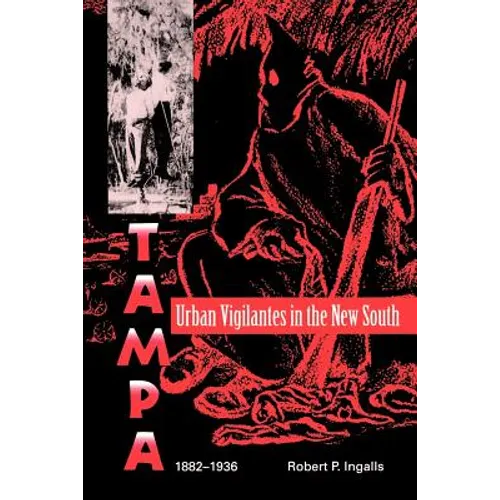
Like bookends, lynchings bracket this examination of collective violence in Tampa: an 1880s lynching of an English immigrant and two 1930s killings--the vigilante murder of a black prisoner and the flogging death of a white radical. Events in between leave little doubt that the city deserved its 1930s ranking by the American Civil Liberties Union as one of nine centers of repression and its reputation for "anti-labor, anti-Negro, anti-alien, anti-Communist, anti-Socialist, anti-liberal violence."
Named an Outstanding Book on the subject of intolerance in the United States by the Gustavus Myers Center for the Study of Human Rights in the United States, Ingalls's work centers on anti-union vigilantism directed by the city's elite--most often by a succession of citizens' committees--against the cigar makers of Tampa's Ybor City community, skilled workers who were largely Latin, foreignborn, class-conscious, and militant.
The author concludes that an alliance between the city's southern-born elite and its wealthy immigrant cigar manufacturers orchestrated the violence, which addressed questions of class more often than questions of race or even ethnicity. Of the six men lynched in Tampa between the 1880s and 1930s, two were black men accused of attacking white women; the other four were whites, three of whom had actively worked to promote the interest of cigar workers or who had Socialist leanings.
Based on thorough research in newspapers and manuscript collections, Ingalls's provocative analysis is the first community study of vigilantism to trace this phenomenon through several generations. Although the author notes much that was unique to Tampa, he describes the city's "tar and terror" tradition--community-sanctioned lynching, kidnapping, flogging, tarring and feathering, and forced deportation--as a product of southern culture and politics. If Tampa was not typical, he argues, it was to some degree archetypal.
Robert P. Ingalls, professor of history at the University of South Florida, is the managing editor of Tampa Bay History. He has written extensively on southern history and is the author of several biographies, including Point of Order: A Profile of Senator Joe McCarthy.



