Skip to content
Welcome To Our Store.
100,000+ Products for Home, Medical, Office & Classroom Needs
Search
Skip to product information
1 of 1

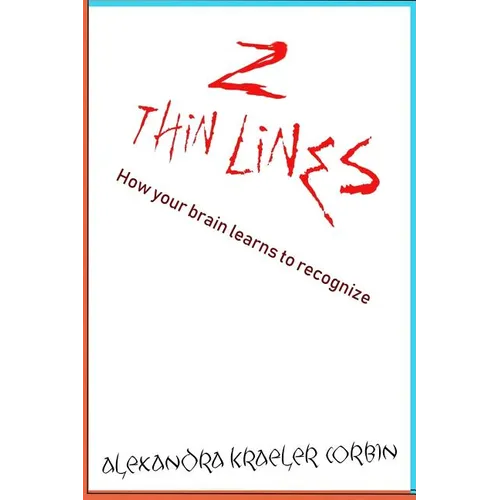
Two Thin Lines: How Humans Learn How to Recognize Their World. - Paperback

$10.78 USD
$10.78 USD
Sale Sold out
Shipping calculated at checkout.
In stock (100 units), ready to be shipped

Available Offers

Fastest Delivery Tomorrow With Vip DealOrder within 1 hr 8 mins.

Instant 10% Discount On HDFC Banks Credit/Debit Cards EMI and CreditCard

Secure checkout with
  • American Express
  • Apple Pay
  • Diners Club
  • Discover
  • Google Pay
  • Mastercard
  • PayPal
  • Shop Pay
  • Visa

Flight Range: Up to 1,000 meters (3,280 feet)

Maximum Speed: 45 kilometers per hour (28 miles per hour)

For all orders exceeding a value of 100USD shipping is offered for free.

Returns will be accepted for up to 10 days of Customer’s receipt or tracking number on unworn items. You, as a Customer, are obliged to inform us via email before you return the item.

Otherwise, standard shipping charges apply. Check out our delivery Terms & Conditions for more details.

View Product Details
Shopping cart
Product Product subtotal Quantity Price Product subtotal
Two Thin Lines: How Humans Learn How to Recognize Their World. - Paperback
$10.78/ea
$0.00
$10.78/ea $0.00

Product Description

by Alexandra Kraeler Corbin (Author)

How do humans recognize? If you say by experience and habit, that is certainly true. But as with all learning, there has to be a system that incites the need to apply experience in the first place and then has a way of both editing and then transforming experience into codes that get tucked neatly into some kind of highly accessible format. All animals do this. But humans elaborate far more with the basics. There is something distinctly remarkable about a key element in our brain that expedites recognition systems by means of swapping out the 'self' in terms of many other animate and inanimate objects. We imagine we are 'others'. Other people, other things. We don't yet know to what extent other animals do this. It is relative based on their brains, of course. What we have done with this basic behavior is the stuff of civilization, and of course, of the creative abilities that mesmerize us.


Number of Pages: 100
Dimensions: 0.21 x 9 x 6 IN
Publication Date: September 26, 2018
you might like
