Skip to content
Welcome To Our Store.
100,000+ Products for Home, Medical, Office & Classroom Needs
Search
Skip to product information
1 of 1

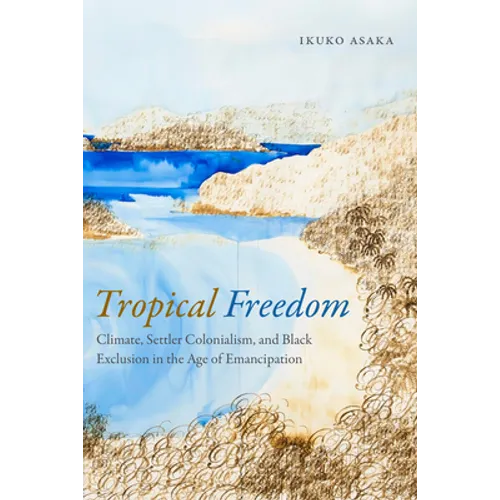
Tropical Freedom: Climate, Settler Colonialism, and Black Exclusion in the Age of Emancipation - Paperback

$56.63 USD
$56.63 USD
Sale Sold out
Shipping calculated at checkout.
In stock (100 units), ready to be shipped

Available Offers

Fast delivery available on most orders

Multiple secure payment options accepted

Secure checkout with
  • American Express
  • Apple Pay
  • Diners Club
  • Discover
  • Google Pay
  • Mastercard
  • PayPal
  • Shop Pay
  • Visa

Flight Range: Up to 1,000 meters (3,280 feet)

Maximum Speed: 45 kilometers per hour (28 miles per hour)

For all orders exceeding a value of 100USD shipping is offered for free.

Returns will be accepted for up to 10 days of Customer’s receipt or tracking number on unworn items. You, as a Customer, are obliged to inform us via email before you return the item.

Otherwise, standard shipping charges apply. Check out our delivery Terms & Conditions for more details.

View Product Details
Shopping cart
Product Product subtotal Quantity Price Product subtotal
Tropical Freedom: Climate, Settler Colonialism, and Black Exclusion in the Age of Emancipation - Paperback
$56.63/ea
$0.00
$56.63/ea $0.00

Product Description

by Ikuko Asaka (Author)

In Tropical Freedom Ikuko Asaka engages in a hemispheric examination of the intersection of emancipation and settler colonialism in North America. Asaka shows how from the late eighteenth century through Reconstruction, emancipation efforts in the United States and present-day Canada were accompanied by attempts to relocate freed blacks to tropical regions, as black bodies were deemed to be more physiologically compatible with tropical climates. This logic conceived of freedom as a racially segregated condition based upon geography and climate. Regardless of whether freed people became tenant farmers in Sierra Leone or plantation laborers throughout the Caribbean, their relocation would provide whites with a monopoly over the benefits of settling indigenous land in temperate zones throughout North America. At the same time, black activists and intellectuals contested these geographic-based controls by developing alternative discourses on race and the environment. By tracing these negotiations of the transnational racialization of freedom, Asaka demonstrates the importance of considering settler colonialism and black freedom together while complicating the prevailing frames through which the intertwined histories of British and U.S. emancipation and colonialism have been understood.

Author Biography

Ikuko Asaka is Assistant Professor of History at the University of Illinois, Urbana-Champaign.

Number of Pages: 304
Dimensions: 0.6 x 9.1 x 6 IN
Illustrated: Yes
Publication Date: November 03, 2017
you might like

