Skip to content
Welcome To Our Store.
100,000+ Products for Home, Medical, Office & Classroom Needs
Search
Skip to product information
1 of 1

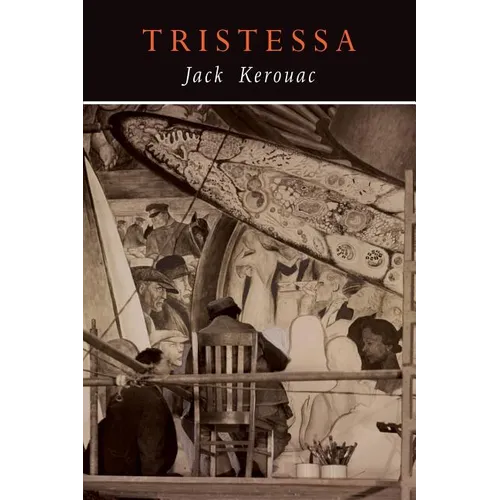
Tristessa: Facsimile of 1960 Edition - Paperback

$13.09 USD
$13.09 USD
Sale Sold out
Shipping calculated at checkout.
In stock (100 units), ready to be shipped

Available Offers

Fastest Delivery Tomorrow With Vip DealOrder within 1 hr 8 mins.

Instant 10% Discount On HDFC Banks Credit/Debit Cards EMI and CreditCard

Secure checkout with
  • American Express
  • Apple Pay
  • Diners Club
  • Discover
  • Google Pay
  • Mastercard
  • PayPal
  • Shop Pay
  • Visa

Flight Range: Up to 1,000 meters (3,280 feet)

Maximum Speed: 45 kilometers per hour (28 miles per hour)

For all orders exceeding a value of 100USD shipping is offered for free.

Returns will be accepted for up to 10 days of Customer’s receipt or tracking number on unworn items. You, as a Customer, are obliged to inform us via email before you return the item.

Otherwise, standard shipping charges apply. Check out our delivery Terms & Conditions for more details.

View Product Details
Shopping cart
Product Product subtotal Quantity Price Product subtotal
Tristessa: Facsimile of 1960 Edition - Paperback
$13.09/ea
$0.00
$13.09/ea $0.00

Product Description

by Jack Kerouac (Author)

2018 Reprint of 1960 Edition. Full facsimile of the original edition, not reproduced with Optical Recognition software. Tristessa is a novella by Beat Generation writer Jack Kerouac set in Mexico City. It is based on his relationship with a Mexican prostitute (the title character). The woman's real name was Esperanza ("hope" in Spanish); Kerouac changed her name to Tristessa ("tristeza" means sadness in Spanish and Portuguese).

Allen Ginsberg, in describing the book, wroteof the book as "...a narrative meditation studying a hen, a rooster, a dove, a cat, a dog, family meat, and a ravishing, ravished junkie lady". In Tristessa Kerouac attempts to sketch for the reader a picture of quiet transcendence in hectic and sometimes dangerous circumstances. He chronicles Tristessa's addiction to morphine and impoverished life with descriptions tinged with elements of her saintly beauty and her innocence.

Early in the novel, Kerouac attempts to communicate his Buddhist beliefs. These beliefs become entangled as a metaphor in the unfamiliar culture and language that Kerouac tries to grasp and connect with in the story. The contrast between the initial reaction that the reader may have of the impoverished, marginalized life of Tristessa and the self-destructive nature of her addiction contrast with the beauty of Kerouac's descriptions.

Number of Pages: 98
Dimensions: 0.23 x 9.21 x 6.14 IN
Publication Date: December 13, 2018
you might like