


Product Description
by Robert Fenner (Author)
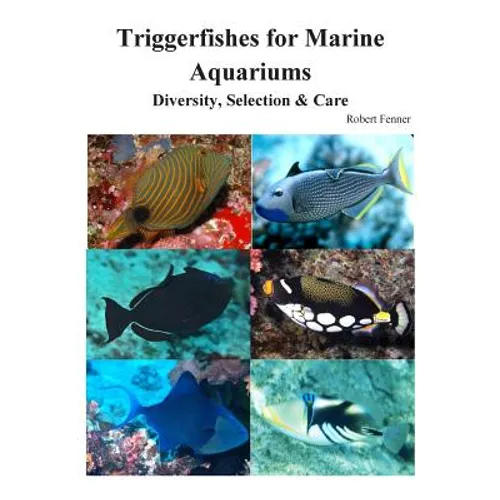
The triggerfishes are one of the best known and most vili¬fied groups of marine livestock. This status is not altogether undeserved; triggers are oddly shaped, often beautifully marked, with bizarre behavioral repertoires. The group is widely, if cautiously used for human consumption, and their rough skin appropriately used as a "biological" sand-paper. Easily acquired, acclimated, raised and trained; except for the overtly cantanker¬ousness of some species Balistids make for the best of marine keeping. Some Personal Background re Myself & the Group: When I was somewhat younger and foolish (versus older and still foolish) it was my desire to work on this family's classi¬fication as requirement for my PhD (=piled higher and deeper) in systematic ichthyology in the way of a series monograph. As time progressed, as it's wont to do, it became painfully aware to me that mere mortals do not live long enough to visit all the scien¬tific collections, do the various measurements and analytical work involved in such an endeavor. It turns out the Balistids are just too darn big a task, with many species spread out over most everywhere in tropical to sub-tropical seas... but maybe if I gave up my day and night jobs... I offer this brief paragraph as explanation for my keen interest in triggers as well as documented proof of my intention to someday finish the taxonomic review and make the practical husbandry notes available to the science, hobby and business of aquatics in the way of a book. As far as hardiness, intelligence and any measure of outgoingness, there is no doubt the Triggerfishes receive the highest of scores. As a group these fishes greedily consume any/all types and seemingly amount of foods. Though they are susceptible to infectious disease, they're also among the fastest to recover and are not easily poisoned by aquarium "remedies". About the only downside of Balistid keeping and it's a big one is there overt and at times agonistic personalities. Everyone has favorite stories to tell about these fishes. The "cute" spitting Clown Trigger that bit the bejesus out of someone's finger. The big Undulatus that moved all the gravel and rock around the tank, pulled up the undergravel filter risers, then committed hara-kiri by smashing the aquarium heater against the tanks side. The Niger that spends all its spare time "locked in" with its trigger, upside-down Yes, these fishes ARE characters, and if anything else universal can be stated about them: they're individualistic. Some members of the same species can be kept in very peaceful surroundings. I've seen some housed in full-blown reef systems. Other specimens of the same species can be unholy terrors, outright consuming any real or potential "tankmates".



