Skip to content
Welcome To Our Store.
100,000+ Products for Home, Medical, Office & Classroom Needs
Search
Skip to product information
1 of 1

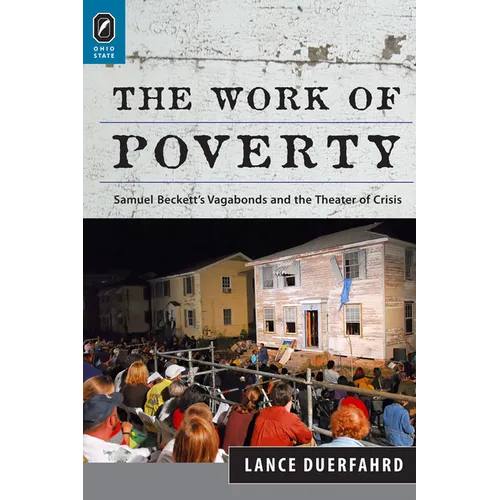
The Work of Poverty: Samuel Beckett's Vagabonds and the Theater of Crisis - Paperback

$64.71 USD
$64.71 USD
Sale Sold out
Shipping calculated at checkout.
In stock (100 units), ready to be shipped

Available Offers

Fastest Delivery Tomorrow With Vip DealOrder within 1 hr 8 mins.

Instant 10% Discount On HDFC Banks Credit/Debit Cards EMI and CreditCard

Secure checkout with
  • American Express
  • Apple Pay
  • Diners Club
  • Discover
  • Google Pay
  • Mastercard
  • PayPal
  • Shop Pay
  • Visa
  • Daily deals
  • Return policy
  • Payment method
  • Help center 24/7

Flight Range: Up to 1,000 meters (3,280 feet)

Maximum Speed: 45 kilometers per hour (28 miles per hour)

For all orders exceeding a value of 100USD shipping is offered for free.

Returns will be accepted for up to 10 days of Customer’s receipt or tracking number on unworn items. You, as a Customer, are obliged to inform us via email before you return the item.

Otherwise, standard shipping charges apply. Check out our delivery Terms & Conditions for more details.

View Product Details
Shopping cart
Product Product subtotal Quantity Price Product subtotal
The Work of Poverty: Samuel Beckett's Vagabonds and the Theater of Crisis - Paperback
$64.71/ea
$0.00
$64.71/ea $0.00

Product Description

by Lance Duerfahrd (Author)

How did Samuel Beckett's Waiting for Godot come to be performed in such places as San Quentin Prison, Mississippi during the Civil Rights Movement, Sarajevo under military siege, New Orleans's Lower Ninth Ward after Hurricane Katrina, and Zuccotti Park during the Occupy Wall Street protests? The Work of Poverty: Samuel Beckett's Vagabonds and the Theater of Crisis studies the appeal of Godot to audiences in settings of historical crisis and suffering. Lance Duerfahrd argues that these circumstances transform the performance and the reception of the play, thereby illuminating a cathartic and political dimension of Beckett's work that goes unseen in traditional performance contexts. The resonance of one of the most canonical plays of the twentieth century within landscapes of disaster fulfills the aesthetic of "ultimate penury" that Beckett hones in his work. Here the subtractive and reductive dynamic of the Nobel Prize-winning author's craft comes into clearer view, echoing with the despondent condition beyond the stage. In developing an aesthetic of penury, The Work of Poverty brings together the dispossessed characters in Godot; the derelict narrators of Beckett's Molloy, Malone Dies, and the Unnamable; and the formal experimentation in poverty witnessed in his Endgame and Worstward Ho. Beckett forged increasingly destitute forms of theater and prose on the periphery of writing. Duerfahrd illustrates how this work speaks to our age by emphasizing characters on the periphery of society.

Author Biography

Lance Duerfahrd is assistant professor of English at Purdue University.

Number of Pages: 248
Dimensions: 0.56 x 9 x 6 IN
Publication Date: January 01, 2017
you might like