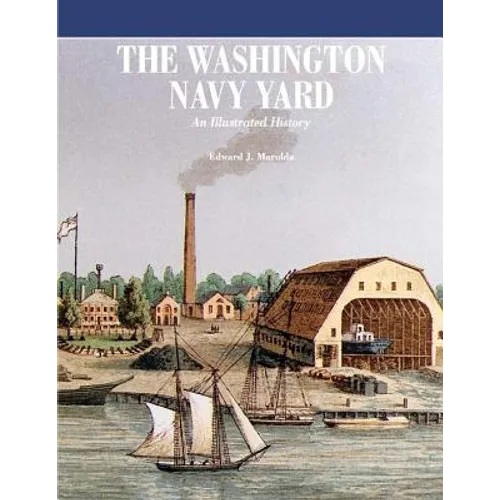
Product Description
by Edward J. Marolda (Author), Department of the Navy (Author)
During much of the 19th and 20th centuries, the Washington Navy Yard was the most recognizable symbol of the United States Navy in the nation's capital. The shipyard built a number of the Navy's first warships and repaired, refitted, and provisioned most of the frigates, sloops, and other combatants of the fledgling naval service. The masts and rigging of USS Constitution were a common site on the banks of the AnacostiaRiver. Booming cannon became a routine sound insoutheast Washington during the mid-19th century as Commander John A. Dahlgren, "father of American naval ordnance," test-fired new guns for the fleet. The Naval Gun Factory's fire and smoke-belching blast furnaces, foundries, and mills gave birth to many of the fleet's weapons, from small boat howitzers to the enormous14-inch and 16-inch rifles that armed the navalrailway batteries in World War I and the Iowa-classbattleships in World War II and the Cold War. RearAdmiral David W. Taylor inaugurated a new era in ship development when he used scientific measurements in his Experimental Model Basin to test the properties of prototype hulls. Before and after World War I, the pioneers of naval aviation experimented in the Anacostia and navy yard facilities with various seaplane types, shipboard catapults, and other equipment that wouldsoon revolutionize warfare at sea.