


Product Description
by Ryan C. Smith (Author)
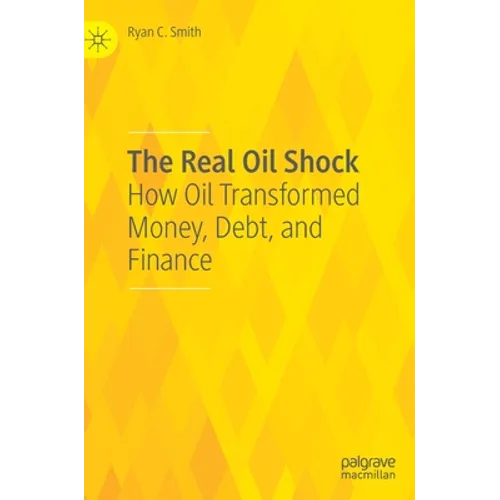
The rise of the global financial industry is treated by many economists as a critical component of the rise of neoliberalism. What few address is the role of the 1973 OPEC Oil Embargo and the 1979 Oil Shock in making modern financialization possible. Here, it will be demonstrated that the dramatic transfer of wealth from the industrialized, capitalist world to OPEC's members triggered by the Oil Embargo and the Oil Shock created a vast pool of liquid capital. Oil prices inflation, as a result of Embargo and Shock, also triggered a balance of payments crisis that created unprecedented global demand for credit. Processing this capital and mitigating the inflationary pressures which followed the 1973 Shock encouraged the development of more liquid, internationally mobile instruments that made financialization possible and ushered in the effective privatization of money creation. This transformation of the creation of money, the rise of a new global debt cycle, and petrocapital-fuelled changes to financial practices laid the foundations of modern finance and the neoliberal world order as we know them.
Back Jacket
"Understanding the role of oil in our past, as this absorbing volume undertakes to do, informs a good deal about our present plight. And it should make us resolve to kick fossil fuel once and for all, for the far more democratic forms of energy now available to us."
Bill McKibben, author of The Flag, the Cross, and the Station Wagon: A Graying American Looks Back at his Suburban Boyhood and Wonders What the Hell Happened
"Ryan Smith offers a new and challenging perspective on the OPEC oil crisis and its aftermath drawing on contemporary theories that rethink the nature of money, debt and finance."
Mary Mellor, Professor Emeritus at Northumbria University (UK) and founding Chair of the University's Sustainable Cities Research Institute
The rise of the global financial industry is treated by many economists as a critical component of the rise of neoliberalism. What few address is the role of the 1973 OPEC Oil Embargo and the 1979 Oil Shock in making modern financialization possible. Here, it will be demonstrated that the dramatic transfer of wealth from the industrialized, capitalist world to OPEC's members triggered by the Oil Embargo and the Oil Shock created a vast pool of liquid capital. Oil prices inflation, as a result of Embargo and Shock, also triggered a balance of payments crisis that created unprecedented global demand for credit. Processing this capital and mitigating the inflationary pressures which followed the 1973 Shock encouraged the development of more liquid, internationally mobile instruments that made financialization possible and ushered in the effective privatization of money creation. This transformation of the creation of money, the rise of a new global debt cycle, and petrocapital-fuelled changes to financial practices laid the foundations of modern finance and the neoliberal world order as we know them.Ryan C. Smith is an independent scholar specializing in modern finance, the oil industry, energy and geopolitics, and the Middle East. He received his Ph.D. in Economic and Social History from the University of Glasgow in 2022.
Author Biography
Ryan C. Smith is an independent scholar specializing in modern finance, the oil industry, energy and geopolitics, and the Middle East. He received his Ph.D. in Economic and Social History from the University of Glasgow in 2022.



