Product Description
by Alex Millmow (Author)
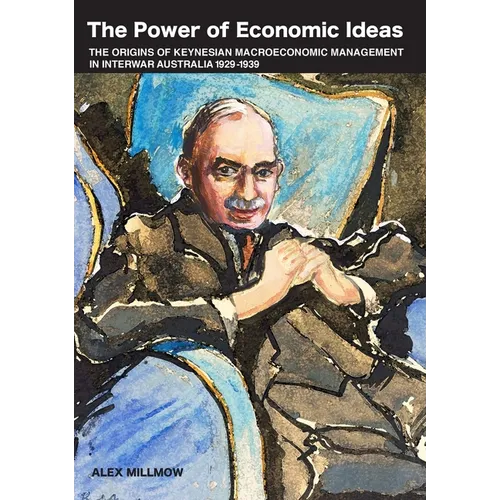
Economics, Keynes once wrote, can be a 'very dangerous science'. Sometimes, though, it can be moulded to further the common good though it might need a leap in mental outlook, a whole new zeitgeist to be able do do. This book is about a transformation in Australian economists' thought and ideas during the interwar period. It focuses upon the interplay between economic ideas, players and policy sometimes in the public arena. In a decade marked by depression, recovery and international political turbulence Australian economists moved from a classical orthodox economic position to that of a cautious Keynesianism by 1939. We look at how a small collective of economists tried to influence policy-making in the nineteen-thirties. Economists felt obliged to seek changes to the parameters as economic conditions altered but, more importantly, as their insights about economic management changed. There are three related themes that underscore this book. Firstly, the professionalisation of Australian economics took a gigantic leap in this period, aided in part, by the adverse circumstances confronting the economy but also by the aspirations economists held for their discipline. A second theme relates to the rather unflattering reputation foisted upon interwar economists after 1945. That transition underlies a third theme of this book, namely, how Australian economists were emboldened by Keynes's General Theory to confidently push for greater management of economic activity. By 1939 Australian economists conceptualized from a new theoretic framework and from one which they advanced comment and policy advice. This book therefore will rehabilitate the works of Australian interwar economists, arguing that they not only had an enviable international reputation but also facilitated the acceptance of Keynes's General Theory among policymakers before most of their counterparts elsewhere.