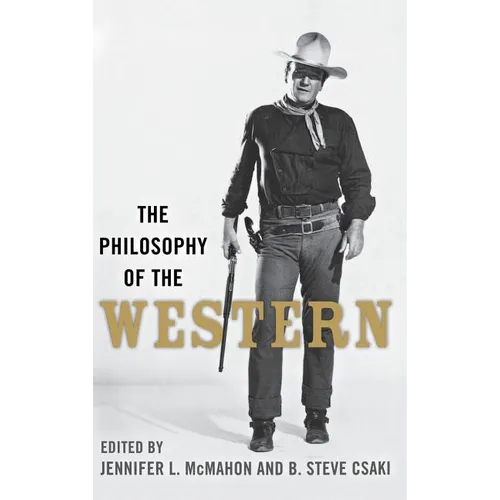
Product Description
by Jennifer L. McMahon (Editor), B. Steve Csaki (Editor)
The western is arguably the most iconic and influential genre in American cinema. The solitude of the lone rider, the loyalty of his horse, and the unspoken code of the West render the genre popular yet lead it to offer a view of America's history that is sometimes inaccurate. For many, the western embodies America and its values. In recent years, scholars had declared the western genre dead, but a steady resurgence of western themes in literature, film, and television has reestablished the genr
Front Jacket
There are few genres that capture the hearts of their audiences like the Western. While they are not always true to it, Westerns are tied to, and expressive of, the history of the United States. As such, they serve both to reflect and inform the American psyche. Indeed, the Western is arguably the most iconic and influential genre in American cinema. Through characters like Shane and William Munny, it continues to captivate audience's imaginations.
The Philosophy of the Western features a variety of essays that consider the philosophical significance of Westerns. From classic films such as Fort Apache (1948) and The Wild Bunch (1969) to contemporary films and TV shows such as 3:10 to Yuma (2007), No Country for Old Men (2007), and Deadwood (2004-6), The Philosophy of the Western uses modern philosophical thought to analyze the underlying thematic framework of the genre. Editors Jennifer L. McMahon and B. Steve Csaki gather noted contributors to investigate, among other things, identity, ethics, gender, and animal rights within the western.
Drawing from philosophers as varied as Aristotle, Spinoza, William James and Jean-Paul Sartre, The Philosophy of the Western examines topics including: the epistemological and ethical benefits of solitude and how the Western influences personal identity. The philosophies of John Locke, Thomas Hobbes, and J.J. Rousseau are likewise invoked to show how Westerns illustrate the nature of human relationships and the necessary conditions of social and political order. The result is a comprehensive study of fundamental questions about morality, identity, and social organization.
Offering an intriguing glimpse into the Western genre, The Philosophy of the Western provides a detailed analysis of the origins and continuing influence of the quintessential American icon.
Author Biography
Jennifer L. McMahon, associate professor and chair of the English and Languages Department at East Central University, is a contributor to The Philosophy of TV Noir, The Philosophy of Martin Scorsese, and The Simpsons and Philosophy. She lives in Stratford, Oklahoma. B. Steve Csaki was most recently a visiting professor at Centre College, where he taughtcourses in philosophy, the humanities, and Japanese. He lives in Stratford, Oklahoma.