


Product Description
by Andrew James Blumbergs (Author)
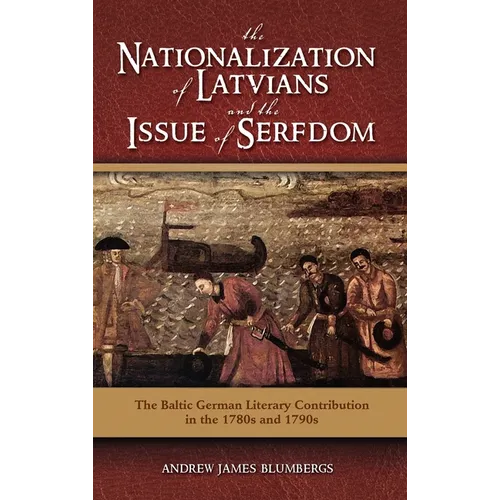
In the second half of the eighteenth century, an intellectual discourse developed in Livonia which shed light on the disastrous social conditions of the indigenous population. This book examines the premise that the resulting "nationalization" of the Latvians occurred in the 1780s and 1790s as a result of a German Enlightenment in Livonia. It investigates the role that eighteenth-century anthropological, ethnographical, historical, and cultural ideas played in this process of "nationalizing" the Latvians, and focuses on the development of the arguments for agrarian and social change by proponents of reform in Livonia at this time. The work investigates the historical structures and processes that shaped the agrarian constitution of Livonia's society up to and including the eighteenth century. This involves a comparative historical analysis of critical aspects relevant to the transformation of the agrarian and social reform discourse in Livonia in the second half of the eighteenth century and its ramifications on how the Latvians were perceived by Germans within Livonia and beyond. The introduction and dissemination of Enlightenment thought in Livonia, with particular reference to the Livonian agrarian and social reform discourse, is also explored. Utilizing primary sources, some relatively unknown such as the Briefe of Andreas Meyer, this study provides first-hand historical perspectives on Livonian society and German attitudes towards the indigenous population. The main writers and works of the Livonian agrarian and social reform discourse in the 1780s and 1790s are also studied. The works of Johann von Jannau (1753-1821), Heinrich Wilhelm Christian Friebe (1761-1811), Karl Philip Michael Snell (1753-1806), and Garlieb Helwig Merkel (1769-1850) are considered central to the Livonian agrarian and social reform discourse of the late 1780s and 1790s. Some monographs, essays, and articles in Hupel's publications, particularly the Nordische Miscellaneen, are also considered. It is purported that the first steps towards the "nationalization" of Latvian identity occurred as the result of new historical, anthropological, cultural, and ethnographical approaches to the agrarian and social issues of Livonia during this time. Culture, history, and language are central to the nationalization of identity and are key components in the theoretical considerations investigated. The literary discourse had implications that were significant in shaping and reshaping historical and cultural identity in the national awakenings of the Latvians at various stages in their history since the late eighteenth century. The way social, political, cultural, and ethnic relationships were understood and articulated was transformed by this late eighteenth-century discourse, in effect, "nationalized," as predominantly German theologians and writers sought to elevate and see dignity and authentic cultural value in the language and national character of the Latvians. This is an important and comprehensive volume for those in history and European studies.



