Skip to content
Welcome To Our Store.
100,000+ Products for Home, Medical, Office & Classroom Needs
Search
Skip to product information
1 of 1

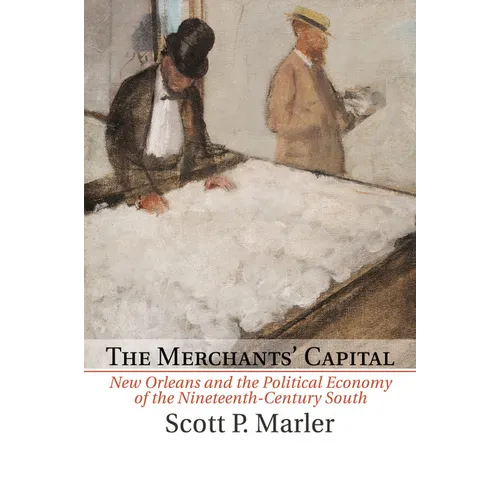
The Merchants' Capital - Paperback

$67.32 USD
$67.32 USD
Sale Sold out
Shipping calculated at checkout.
In stock (100 units), ready to be shipped

Available Offers

Fast delivery available on most orders

Multiple secure payment options accepted

Secure checkout with
  • American Express
  • Apple Pay
  • Diners Club
  • Discover
  • Google Pay
  • Mastercard
  • PayPal
  • Shop Pay
  • Visa

Flight Range: Up to 1,000 meters (3,280 feet)

Maximum Speed: 45 kilometers per hour (28 miles per hour)

For all orders exceeding a value of 100USD shipping is offered for free.

Returns will be accepted for up to 10 days of Customer’s receipt or tracking number on unworn items. You, as a Customer, are obliged to inform us via email before you return the item.

Otherwise, standard shipping charges apply. Check out our delivery Terms & Conditions for more details.

View Product Details
Shopping cart
Product Product subtotal Quantity Price Product subtotal
The Merchants' Capital - Paperback
$67.32/ea
$0.00
$67.32/ea $0.00

Product Description

by Scott P. Marler (Author)

As cotton production shifted toward the southwestern states during the first half of the nineteenth century, New Orleans became increasingly important to the South's plantation economy. Handling the city's wide-ranging commerce was a globally oriented business community that represented a qualitatively unique form of wealth accumulation - merchant capital - that was based on the extraction of profit from exchange processes. However, like the slave-based mode of production with which they were allied, New Orleans merchants faced growing pressures during the antebellum era. Their complacent failure to improve the port's infrastructure or invest in manufacturing left them vulnerable to competition from the fast-developing industrial economy of the North, weaknesses that were fatally exposed during the Civil War and Reconstruction. Changes to regional and national economic structures after the Union victory prevented New Orleans from recovering its commercial dominance, and the former first-rank American city quickly devolved into a notorious site of political corruption and endemic poverty.

Number of Pages: 334
Dimensions: 0.75 x 9 x 6 IN
Publication Date: October 08, 2015
you might like