


Product Description
by Isabella Sarto-Jackson (Author)
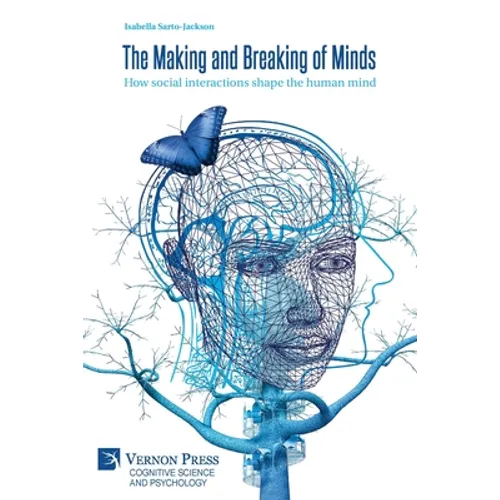
The human brain has a truly remarkable capacity. It reorganizes itself, flexibly adjusting to fluctuating environmental conditions - a process called neuroplasticity. Neuroplasticity provides the basis for wide-ranging learning and memory processes that are particularly profuse during childhood and adolescence. At the same time, the exceptional malleability of the developing brain leaves it highly vulnerable to negative impact from the surroundings. Abusive or neglecting social environments, as well as socioeconomic deprivation and poverty, cause toxic stress and complex traumas that can severely compromise cognitive development, emotional processing, self-perception, and executive brain functions. The neurophysiological changes entailed impair emotional regulation, lead to heightened anxiety, and afflict attachment and the formation of social bonds. Neuroplastic changes following severely adverse experiences are not something that a person grows out of and gets over. These experiences alter the neurobiological and biochemical makeup and cause people to live in an emotionally relabeled world in which the evaluation of any social cue, their behavior, cognition, and state of mind are biased towards the negative. Even more worrying, detrimental neurophysiological consequences are not limited to the traumatized individual but are often transmitted to subsequent generations through a process of social niche construction, thereby creating a vicious cycle. Thus, the making and breaking forces of the brain are epitomized by parents, alloparents, peers, and our socioeconomic niche.
This book expounds on the formative role that the social environment plays in healthy brain development, especially during infancy, childhood, and adolescence. Based on scientific findings, the book advocates for bold measures and responsible stewardship to combat child abuse, maltreatment, and child poverty. By bringing together insights from neuroscience, evolutionary biology, and social education work, it lays out a fact-based, transdisciplinary endeavor that aims at rising to the societal challenge of providing a rewarding perspective to youth at risk. It will be a valuable resource for academics from social education, pedagogy, cognitive science, neuroscience, as well as professionals in the fields of social work, pedagogy, education, child welfare.