Skip to content
Welcome To Our Store.
100,000+ Products for Home, Medical, Office & Classroom Needs
Search
Skip to product information
1 of 1

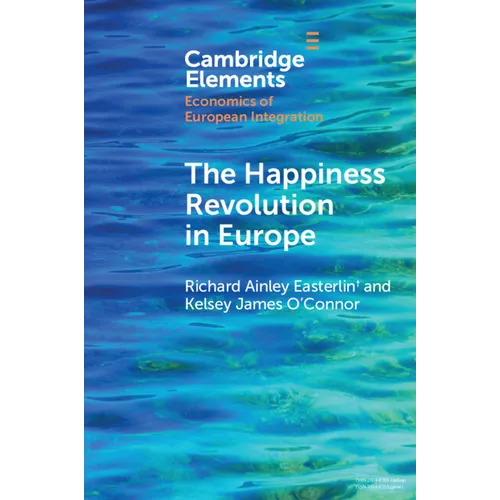
The Happiness Revolution in Europe - Paperback

$38.25 USD
$38.25 USD
Sale Sold out
Shipping calculated at checkout.
In stock (100 units), ready to be shipped

Available Offers

Fastest Delivery Tomorrow With Vip DealOrder within 1 hr 8 mins.

Instant 10% Discount On HDFC Banks Credit/Debit Cards EMI and CreditCard

Secure checkout with
  • American Express
  • Apple Pay
  • Diners Club
  • Discover
  • Google Pay
  • Mastercard
  • PayPal
  • Shop Pay
  • Visa
  • Daily deals
  • Return policy
  • Payment method
  • Help center 24/7

Flight Range: Up to 1,000 meters (3,280 feet)

Maximum Speed: 45 kilometers per hour (28 miles per hour)

For all orders exceeding a value of 100USD shipping is offered for free.

Returns will be accepted for up to 10 days of Customer’s receipt or tracking number on unworn items. You, as a Customer, are obliged to inform us via email before you return the item.

Otherwise, standard shipping charges apply. Check out our delivery Terms & Conditions for more details.

View Product Details
Shopping cart
Product Product subtotal Quantity Price Product subtotal
The Happiness Revolution in Europe - Paperback
$38.25/ea
$0.00
$38.25/ea $0.00

Product Description

by Richard Ainley Easterlin (Author), Kelsey James O'Connor (Author)

There is now a Happiness Revolution to go along with the earlier Industrial and Demographic Revolutions. The Happiness Revolution is captured using people's happiness scores, as reported in public surveys, whereas the earlier revolutions are reflected by economic production (such as GDP) and life expectancy. Increases in happiness are chiefly due to social-science welfare policies that alleviate people's foremost concerns - those centering on family life, health, and jobs. This Element traces the course of the Happiness Revolution throughout Europe since the 1980s when comprehensive and comparable data on people's happiness first become available. Which countries lead and which lag? How is happiness distributed - are the rich happier than the poor, men than women, old than young, native than foreign born, city than countryfolk? How has the COVID-19 pandemic impacted happiness? These are among the questions addressed in this Element. This title is also available as Open Access on Cambridge Core.


Number of Pages: 88
Dimensions: 0.19 x 9 x 6 IN
Publication Date: April 03, 2025
you might like