Product Description
by Colin A. Ireland (Author)
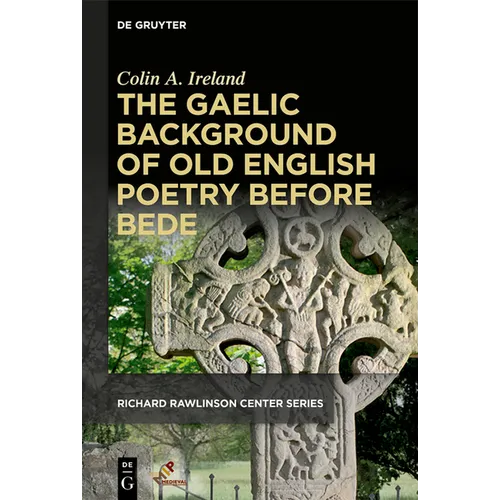
Seventh-century Gaelic law-tracts delineate professional poets (filid) who earned high social status through formal training. These poets cooperated with the Church to create an innovative bilingual intellectual culture in Old Gaelic and Latin. Bede described Anglo-Saxon students who availed themselves of free education in Ireland at this culturally dynamic time. Gaelic scholars called sapientes ("wise ones") produced texts in Old Gaelic and Latin that demonstrate how Anglo-Saxon students were influenced by contact with Gaelic ecclesiastical and secular scholarship. Seventh-century Northumbria was ruled for over 50 years by Gaelic-speaking kings who could access Gaelic traditions. Gaelic literary traditions provide the closest analogues for Bede's description of C dmon's production of Old English poetry. This ground-breaking study displays the transformations created by the growth of vernacular literatures and bilingual intellectual cultures. Gaelic missionaries and educational opportunities helped shape the Northumbrian "Golden Age", its manuscripts, hagiography, and writings of Aldhelm and Bede.
Back Jacket
Seventh-century Gaelic law-tracts delineate professional poets (filid) who earned high social status through formal training. These poets cooperated with the Church to create an innovative bilingual intellectual culture in Old Gaelic and Latin. Bede described Anglo-Saxon students who availed themselves of free education in Ireland at this culturally dynamic time. Gaelic scholars called sapientes "wise ones" produced texts in Old Gaelic and Latin that demonstrate how Anglo-Saxon students were influenced by contact with Gaelic ecclesiastical and secular scholarship. Seventh-century Northumbria was ruled for over 50 years by Gaelic-speaking kings who could access Gaelic traditions. Gaelic literary traditions provide the closest analogues for Bede's description of Cædmon's production of Old English poetry. This ground-breaking study displays the transformations created by the growth of vernacular literatures and bilingual intellectual cultures. Gaelic missionaries and educational opportunities helped shape the Northumbrian "Golden Age", its manuscripts, hagiography, and writings of Aldhelm and Bede.
Colin A. Ireland edited and translated Old Irish Wisdom Attributed to Aldfrith of Northumbria and has published widely on Anglo-Saxon and Gaelic interrelationships.
Author Biography
Colin A. Ireland, Arcadia University, PA, USA, and University College Dublin, Ireland.