Skip to content
Welcome To Our Store.
100,000+ Products for Home, Medical, Office & Classroom Needs
Search
Skip to product information
1 of 1

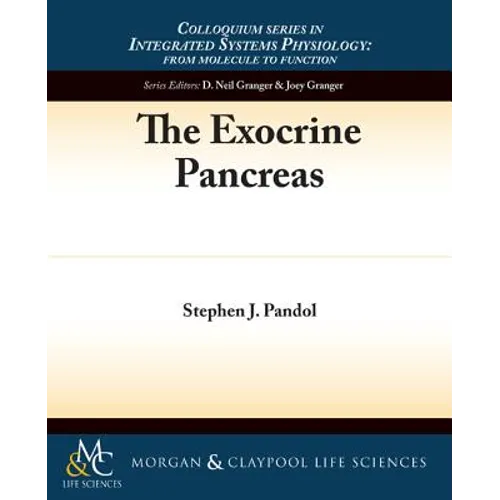
The Exocrine Pancreas - Paperback

$48.60 USD
$48.60 USD
Sale Sold out
Shipping calculated at checkout.
In stock (100 units), ready to be shipped

Available Offers

Fastest Delivery Tomorrow With Vip DealOrder within 1 hr 8 mins.

Instant 10% Discount On HDFC Banks Credit/Debit Cards EMI and CreditCard

Secure checkout with
  • American Express
  • Apple Pay
  • Diners Club
  • Discover
  • Google Pay
  • Mastercard
  • PayPal
  • Shop Pay
  • Visa

Flight Range: Up to 1,000 meters (3,280 feet)

Maximum Speed: 45 kilometers per hour (28 miles per hour)

For all orders exceeding a value of 100USD shipping is offered for free.

Returns will be accepted for up to 10 days of Customer’s receipt or tracking number on unworn items. You, as a Customer, are obliged to inform us via email before you return the item.

Otherwise, standard shipping charges apply. Check out our delivery Terms & Conditions for more details.

View Product Details
Shopping cart
Product Product subtotal Quantity Price Product subtotal
The Exocrine Pancreas - Paperback
$48.60/ea
$0.00
$48.60/ea $0.00

Product Description

by Stephen J. Pandol (Author)

The secretions of the exocrine pancreas provide for digestion of a meal into components that are then available for processing and absorption by the intestinal epithelium. Without the exocrine pancreas, malabsorption and malnutrition result. This chapter describes the cellular participants responsible for the secretion of digestive enzymes and fluid that in combination provide a pancreatic secretion that accomplishes the digestive functions of the gland. Key cellular participants, the acinar cell and the duct cell, are responsible for digestive enzyme and fluid secretion, respectively, of the exocrine pancreas. This chapter describes the neurohumoral pathways that mediate the pancreatic response to a meal as well as details of the cellular mechanisms that are necessary for the organ responses, including protein synthesis and transport and ion transports, and the regulation of these responses by intracellular signaling systems. Examples of pancreatic diseases resulting from dysfunction in cellular mechanisms provide emphasis of the importance of the normal physiologic mechanisms.

Author Biography

University of California, Department of Veterans Affairs

Number of Pages: 64
Dimensions: 0.14 x 9.25 x 7.5 IN
Publication Date: February 01, 2011
you might like