


Product Description
by Donald Kuspit (Author)
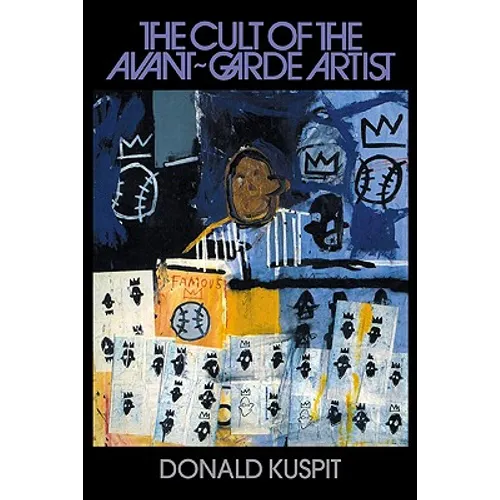
The Cult of the Avant-Garde Artist examines the philosophical, psychological and aesthetic premises for avant-garde art and its subsequent evolution and corruption in the late twentieth century. Arguing that modernist art is essentially therapeutic in intention, both towards self and society, Donald Kuspit further posits that neo-avant-garde, or post-modern art, at once mocks and denies the possibility of therapeutic change. As such, it accommodates the status quo of capitalist society, in which fame and fortune are valued above anything else. Stripping avant-garde art of its missionary, therapeutic intention, neo-avant-garde art instead converts it into a clich of creative novelty or ironical value for its fashionable look. Moreover, it destroys the precarious balance of artistic narcissism and social empathy that characterizes modern art, tilting it cynically towards the former. Incorporating psychoanalytic ideas, particularly those concerned with narcissism, The Cult of the Avant-Garde Artist offers a reinterpretation of modern art history. Donald Kuspit, one of America's foremost art critics, is a contributing editor to Artforum and the author of many books.
Back Jacket
The Cult of the Avant-Garde Artist examines the philosophical, psychological, and aesthetic premises for avant-garde art and its subsequent evolution and corruption in the late twentieth century. Arguing that modernist art is essentially therapeutic in intention, both toward self and society, Donald Kuspit further posits that neo-avant-garde, or postmodern, art at once mocks and denies the possibility of therapeutic change. As such, it accommodates the status quo of capitalist society in which fame and fortune count above everything else. Stripping avant-garde art of its missionary, therapeutic intention, neo-avant-garde art converts it into a cliche of creative novelty or ironic value for its fashionable look. Moreover, it destroys the precarious balance of artistic narcissism and social empathy that characterizes modern art, tilting it cynically toward the former. Incorporating psychoanalytic ideas, particularly those concerned with narcissism, The Cult of the Avant-Garde Artist offers a reinterpretation of modern art history. Exemplary avant-garde and neo-avant-garde artists, including Picasso, Malevich, Warhol, and Beuys, and such movements as surrealism, expressionism, and appropriationism, are examined in depth to demonstrate their therapeutic aims and intentions, or lack thereof. The varieties of artistic expression and their attendant ideas are viewed in light of Kuspit's basic thesis, providing a fresh understanding of developments in the art of this century.



