Product Description
by Charles River (Author)
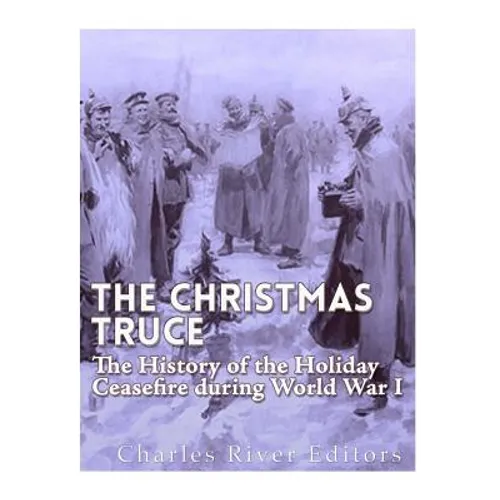
*Includes pictures *Includes accounts of the truce written by soldiers *Includes a bibliography for further reading "It was absolutely astounding, and if I had seen it on a cinematograph film I should have sworn that it was faked " - Captain Sir Edward Hulse of the Scots Guards on the Christmas Truce (Groom, 2002, 85). On Christmas Day 1914, amid the bloodily stalemated trenches of Flanders just five months into World War I, a memorable event dubbed the Christmas Truce occurred. In place of the rattle of gunfire and the crash of bursting artillery shells, familiar German and English Christmas carols floated through the frosty air. In a number of sectors, officers and men on both sides emerged from their trenches to mingle, exchange Yuletide greetings, give one another small gifts and mementos, and discuss the fighting as language allowed. The Truce also provided practical advantages in addition to the emotional and perhaps spiritual relief of a pleasant, peaceful day after months of brutal combat. Many men took advantage of the temporary ceasefire to improve their trenches and dugouts, while others brought up firewood and supplies in large quantities, since the "armistice" enabled carrying these items openly rather than crawling through the mud under fire with only small amounts of necessities. Officers organized burial details to inter the numerous corpses in No-Man's Land, which typically returned identity papers and personal effects of enemy soldiers to their comrades but tended to retain weapons. These burials served both a humanitarian purpose and also freed the living soldiers from the stench and sight of putrid corpses, some of which had lain in the 60 yards between the lines for two months. The Christmas Truce lasted patchily for several days. The reaction of the soldiers to this extraordinary period of ceasefire and fraternization varied. Some, such as then-corporal Adolf Hitler, who distinguished himself shortly before the Truce by dragging a wounded officer to safety under heavy fire, expressed disgust at mingling with the enemy, even in the Yuletide tradition. Others entered into the occasion's spirit wholeheartedly, even discussing a permanent peace. Another sizable group welcomed the occasion for a day or two's respite and holiday enjoyment, yet remained keen, refusing to relax their martial impulses or their fierce determination to win. One British soldier, Bruce Bairnsfather, encapsulated this viewpoint forcefully in his wartime memoirs: "There was not an atom of hate on either side that day; and yet, on our side, not for a moment was the will to war and the will to beat them relaxed. It was just like the interval between the rounds in a friendly boxing match." (Bairnsfather, 1916, 92). Either intellectually or instinctively, some of the German soldiers realized their side lost the war as soon as the first trench line snaked across the sodden earth of Flanders. Many others remained confident of victory, asked the British how long they planned to continue their futile resistance, and also viewed the Truce as a welcome, but temporary, respite from fighting. The Germans initiated the Christmas Truce and managed to extend it for several days despite repeated British messages that it ended along with the holiday. The Christmas Truce of 1914: The History of the Holiday Ceasefire during World War I looks at the famous unofficial truce that took place during the first year of the war. Along with pictures of important people, places, and events, you will learn about the Christmas Truce like never before, in no time at all.