


Product Description
by Robert Willis M. a. (Author)
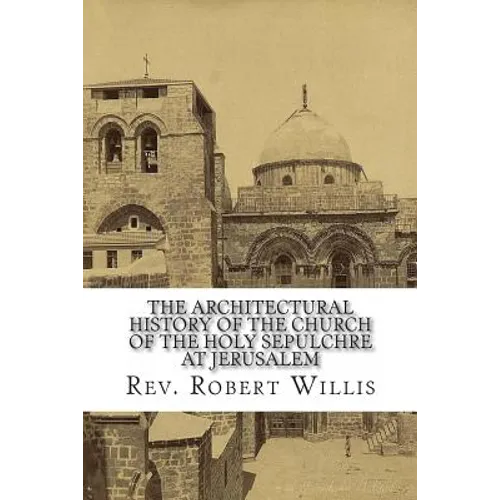
The Church or group of Churches which is the subject of the following pages, was in its original form erected by the Emperor Constantine for the pious purpose of protecting and venerating that Sepulchral cavern which was believed to have been the very Tomb in which the Body of our Lord was laid. The buildings received, in accordance with the custom of that period, the name of the Martyrium of the Resurrection. They have long since disappeared, and others have been in turn erected and destroyed on the same site, until at length they have been brought to the state in which they now are. But during all ages of, Christianity, and under all their vicissitudes, these structures have remained the great centre of pilgrimage; to obtain this site, the best blood and wealth of Europe was poured forth in the Crusades, and before and after that hopeless struggle to retain Christian possession of it, no difficulties, dangers, or insults, were powerful enough to deter the crowds of pilgrims who annually went forth to visit the scenes of their Saviour's sufferings and triumphant Resurrection. Whether or no these sacred events took place upon the spots that were 80 confidently assigned as their true localities, has been of late years very warmly contested. But this is not essential to the question. Those who erected the buildings, and those who visited them, were alike convinced of the genuineness of the traditions; and therefore- the influence of these buildings upon Ecclesiastical Architecture is wholly irrespective of the enquiry into the true localities. And it is as a branch of the history of Ecclesiastical Architecture alone that I purpose to treat the subject at present. Rev. Robert Willis M.A. 1849



