


Product Description
by Stacey Lynn Camp (Author)
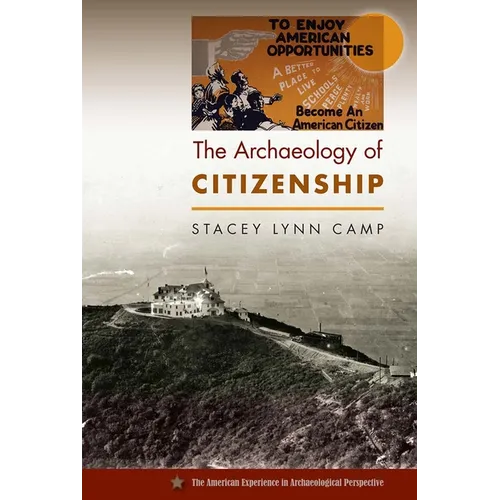
Since the founding of the United States, the rights to citizenship have been carefully crafted and policed by the Europeans who originally settled and founded the country. Immigrants have been extended and denied citizenship in various legal and cultural ways. While the subject of citizenship has often been examined from a sociological, historical, or legal perspective, historical archaeologists have yet to fully explore the material aspects of these social boundaries. The Archaeology of Citizenship uses the material record to explore what it means to be an American. Using a late-nineteenth-century California resort as a case study, Stacey Camp discusses how the parameters of citizenship and national belonging have been defined and redefined since Europeans arrived on the continent. In a unique and powerful contribution to the field of historical archaeology, Camp uses the remnants of material culture to reveal how those in power sought to mold the composition of the United States and how those on the margins of American society carved out their own definitions of citizenship. A volume in the series the American Experience in Archaeological Perspective, edited by Michael S. Nassaney
Back Jacket
Elegantly and thoughtfully written and expands the notion of citizenship and its implications for archaeological inquiry to include types of scholarship and topics that are not traditionally considered under such an analytical rubric.--Jane Eva Baxter, author of The Archaeology of Childhood: Children, Gender, and Material Culture
"An engaging book that makes an important contribution to the study of citizenship and its manifestation in the archaeological record. It is a fine and timely example of the way that archaeologists can make the past meaningful in relation to the present."--Carolyn White, editor of The Materiality of Individuality: Archaeological Studies of Individual Lives Since the founding of the United States, the rights to citizenship have been carefully crafted and policed by the Europeans who originally settled and founded the country. Immigrants have been extended and denied citizenship in various legal and cultural ways.While the subject of citizenship has often been examined from a sociological, historical, or legal perspective, historical archaeologists have yet to fully explore the material aspects of these social boundaries. The Archaeology of Citizenship uses the material record to explore what it means to be an American.
Using a late-nineteenth-century California resort as a case study, Stacey Camp discusses how the parameters of citizenship and national belonging have been defined and redefined since Europeans arrived on the continent. In a unique and powerful contribution to the field of historical archaeology, Camp uses the remnants of material culture to reveal how those in power sought to mold the composition of the United States and how those on the margins of American society carved out their own definitions of citizenship.
Author Biography
Stacey Lynn Camp is assistant professor of anthropology at the University of Idaho.



