Skip to content
Welcome To Our Store.
100,000+ Products for Home, Medical, Office & Classroom Needs
Search
Skip to product information
1 of 1

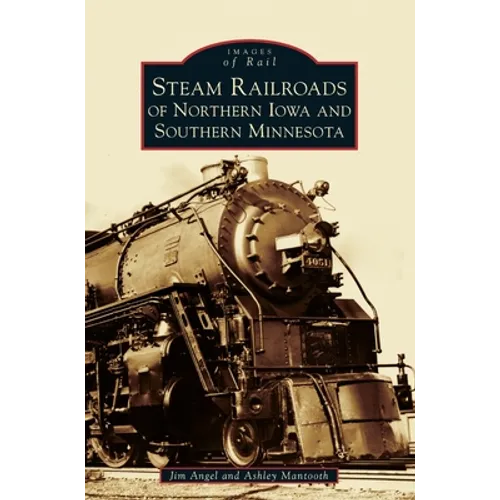
Steam Railroads of Northern Iowa and Southern Minnesota - Hardcover

$34.54 USD
$34.54 USD
Sale Sold out
Shipping calculated at checkout.
In stock (100 units), ready to be shipped

Available Offers

Fastest Delivery Tomorrow With Vip DealOrder within 1 hr 8 mins.

Instant 10% Discount On HDFC Banks Credit/Debit Cards EMI and CreditCard

Secure checkout with
  • American Express
  • Apple Pay
  • Diners Club
  • Discover
  • Google Pay
  • Mastercard
  • PayPal
  • Shop Pay
  • Visa

Flight Range: Up to 1,000 meters (3,280 feet)

Maximum Speed: 45 kilometers per hour (28 miles per hour)

For all orders exceeding a value of 100USD shipping is offered for free.

Returns will be accepted for up to 10 days of Customer’s receipt or tracking number on unworn items. You, as a Customer, are obliged to inform us via email before you return the item.

Otherwise, standard shipping charges apply. Check out our delivery Terms & Conditions for more details.

View Product Details
Shopping cart
Product Product subtotal Quantity Price Product subtotal
Steam Railroads of Northern Iowa and Southern Minnesota - Hardcover
$34.54/ea
$0.00
$34.54/ea $0.00

Product Description

by Jim Angel (Author), Ashley Mantooth (Author)

Steam railroading became an integral part of the communities in northern Iowa and southern Minnesota in the late 1800s. The railroad provided hundreds of jobs and the ability to transport both goods and passengers across the Midwest. The Chicago & North Western Railway, the Chicago Great Western Railroad, the Minneapolis & St. Louis Railway, the Chicago, Rock Island, & Pacific Railroad, and the Chicago, Milwaukee, St. Paul & Pacific Railroad (called the Milwaukee Road by employees) served five principal gateways, which included Chicago, Illinois; Minneapolis-St. Paul, Minnesota; Omaha, Nebraska; and Kansas City and St. Louis, Missouri. Operating steam engines required tremendous manpower, and by the 1920s, some steam passenger trains were replaced by more efficient motor cars, fueled by oil-powered engines. Steam engines could no longer compete with the reduced operating costs, smaller crew requirements, and time savings provided by diesel, which ultimately led to the fall of steam in 1955.


Number of Pages: 130
Dimensions: 0.38 x 9.61 x 6.69 IN
Publication Date: April 22, 2019
you might like
