Skip to content
Welcome To Our Store.
100,000+ Products for Home, Medical, Office & Classroom Needs
Search
Skip to product information
1 of 1

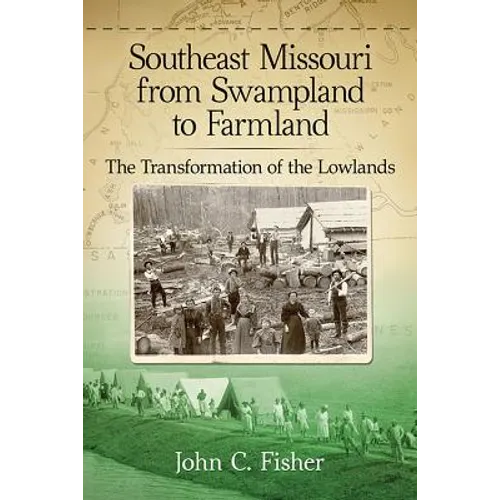
Southeast Missouri from Swampland to Farmland: The Transformation of the Lowlands - Paperback

$53.91 USD
$53.91 USD
Sale Sold out
Shipping calculated at checkout.
In stock (100 units), ready to be shipped

Available Offers

Fast delivery available on most orders

Multiple secure payment options accepted

Secure checkout with
  • American Express
  • Apple Pay
  • Diners Club
  • Discover
  • Google Pay
  • Mastercard
  • PayPal
  • Shop Pay
  • Visa

Flight Range: Up to 1,000 meters (3,280 feet)

Maximum Speed: 45 kilometers per hour (28 miles per hour)

For all orders exceeding a value of 100USD shipping is offered for free.

Returns will be accepted for up to 10 days of Customer’s receipt or tracking number on unworn items. You, as a Customer, are obliged to inform us via email before you return the item.

Otherwise, standard shipping charges apply. Check out our delivery Terms & Conditions for more details.

View Product Details
Shopping cart
Product Product subtotal Quantity Price Product subtotal
Southeast Missouri from Swampland to Farmland: The Transformation of the Lowlands - Paperback
$53.91/ea
$0.00
$53.91/ea $0.00

Product Description

by John C. Fisher (Author)

As the 20th century began, swamps with immense timber resources covered much of the Missouri Bootheel. After investors harvested the timber, the landscape became overgrown. The conversion of swampland to farmland began with small drainage projects but complete reclamation was made possible by a system of ditches dug by the Little River Drainage District--the largest in the U.S., excavating more earth than for the Panama Canal. Farming quickly took over. The devastation of Southern cotton fields by boll weevils in the early 1920s brought to the cooler Bootheel an influx of black and white sharecroppers and cotton became the principal crop. Conflict over New Deal subsidies to increase cotton prices by reducing production led to the 1939 Sharecropper Demonstration, foreshadowing civil rights protests three decades later.

Author Biography

John C. Fisher is the author of three historical books, numerous food related articles, and a column for Missouri Life Magazine. He lives in Kennett, Missouri.


Number of Pages: 260
Dimensions: 0.7 x 9.1 x 5.9 IN
Publication Date: April 24, 2017
you might like
