Skip to content
Welcome To Our Store.
100,000+ Products for Home, Medical, Office & Classroom Needs
Search
Skip to product information
1 of 1

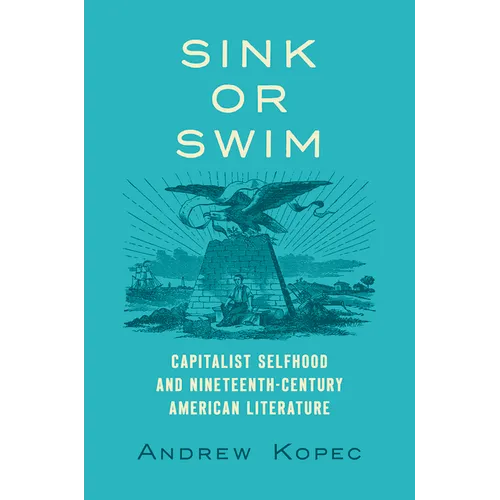
Sink or Swim: Capitalist Selfhood and Nineteenth-Century American Literature - Paperback

$48.53 USD
$48.53 USD
Sale Sold out
Shipping calculated at checkout.
In stock (100 units), ready to be shipped

Available Offers

Fastest Delivery Tomorrow With Vip DealOrder within 1 hr 8 mins.

Instant 10% Discount On HDFC Banks Credit/Debit Cards EMI and CreditCard

Secure checkout with
  • American Express
  • Apple Pay
  • Diners Club
  • Discover
  • Google Pay
  • Mastercard
  • PayPal
  • Shop Pay
  • Visa
  • Daily deals
  • Return policy
  • Payment method
  • Help center 24/7

Flight Range: Up to 1,000 meters (3,280 feet)

Maximum Speed: 45 kilometers per hour (28 miles per hour)

For all orders exceeding a value of 100USD shipping is offered for free.

Returns will be accepted for up to 10 days of Customer’s receipt or tracking number on unworn items. You, as a Customer, are obliged to inform us via email before you return the item.

Otherwise, standard shipping charges apply. Check out our delivery Terms & Conditions for more details.

View Product Details
Shopping cart
Product Product subtotal Quantity Price Product subtotal
Sink or Swim: Capitalist Selfhood and Nineteenth-Century American Literature - Paperback
$48.53/ea
$0.00
$48.53/ea $0.00

Product Description

by Andrew Kopec (Author)

People living in the nineteenth-century United States saw shocking upheavals in both the economy and in ideas of selfhood in a commercial society. Narratives such as Horatio Alger's rags-to-riches tales allured Americans with visions of financial success, while events such as the Panics of 1819, 1837, 1857, and 1865 threatened them with sudden and devastating financial failure. The antebellum period's "go-ahead" ethos encouraged individuals to form an identity amid this chaos by striving for financial success through risk-taking--that is, to form a capitalist self. Andrew Kopec argues that writers of this era were not immune to this business turbulence; rather, their responses to it shaped the development of American literature. By examining the public and private writings of well-known American writers--including Washington Irving, Catharine Maria Sedgwick, Nathaniel Hawthorne, Herman Melville, and Frederick Douglass--Kopec contends that, instead of anxiously retreating from the volatile market, these figures deliberately engaged with it in their writing.
These writers grappled with both the limits and opportunities of capitalist selfhood and tried, in various ways, to harness the economy's energies for the benefit of the self. In making this argument, Kopec invites readers to consider how this era of American literature questioned the ideologies of capitalist identity that seem inescapable today.

Author Biography

Andrew Kopec is associate professor of English at Purdue University Fort Wayne.

Number of Pages: 204
Dimensions: 0.47 x 9.21 x 6.14 IN
Illustrated: Yes
Publication Date: September 30, 2025
you might like