


Product Description
by Charles River (Author)
*Includes pictures
*Includes a bibliography for further reading
"What is scurrilously called ragtime is an invention that is here to stay. That is now conceded by all classes of musicians." - Scott Joplin
Despite a general dearth of African American names rising to musical prominence during the years of Reconstruction, black talent existed in good measure for both popular and classical genres, and among the most notable musicians celebrated in the present day is composer Scott Joplin, who in his day earned the moniker "King of Ragtime." Joplin's use of ragtime as a piano genre was as natural to African American dances as the waltz was to Europeans. The new African-based musical language grew to such popularity that piano rags were programmed on formal classical programs. Originally employed as a verb, as in to "rag" a rhythm, the genre was first referred to as the "jig-piano" style. Ragtime features off-beat rhythms, a heavily accented first beat with the left hand making fast leaps to include the harmony. Pieces of the genre are as visually distinctive as they are in sound. Popular with honky-tonk pianists working along the Mississippi and Missouri Rivers, ragtime became the "predominant style of American popular music" by the end of the 19th century. Dance steps like the cakewalk, inspired by minstrel shows featuring modes of black banjo playing, were unlikely to be incorporated into white dance for many years to come, but white musicians incorporated the sound into their own daily repertoires as a pleasing style of melody and rhythm. The days of minstrel performances, in which white performers costumed themselves in black face without societal backlash, were eventually replaced by black performers such as Joplin and others like him. Once free from such mockery, black artists were free to produce musical offerings from the authentic culture. The term "rag," according to Joplin's use of the term, represented a musical evolution, an abrupt, edgy approach to the musical phrase, suggesting a "ragged movement."
Mixing his gifts for ragtime, a forerunner of American jazz, with a classical education, Joplin produced hundreds of short piano works based on African vocal and dance music, and he worked tirelessly to bring them to a state of validation in the white American and European music world. Moving beyond miniatures, Joplin ventured into the bastion of European opera, highlighting blacks' intent to elevate and modernize black culture through education in the process. Paralleling the aspirations of Booker T. Washington, W.E.B. Du Bois, and Marcus Garvey, Joplin is often viewed as an influential part of a rising black society, excelling in an alien environment full of inequality. He shared fame among the top ragtime players in the nation along with artists such as Louis Chauvin and Thomas M. Turpin, the father of St. Louis ragtime, as well as Tony Jackson in New Orleans. While many ragtime artists were less concerned about incorporating the genre into the classical world, Joplin considered it to be a branch of formal music and fought for its recognition as such. Acceptance by the classical world signified a long-term validation for his new genre, and he was willing to suffer decades of rejection to witness the breakthrough.
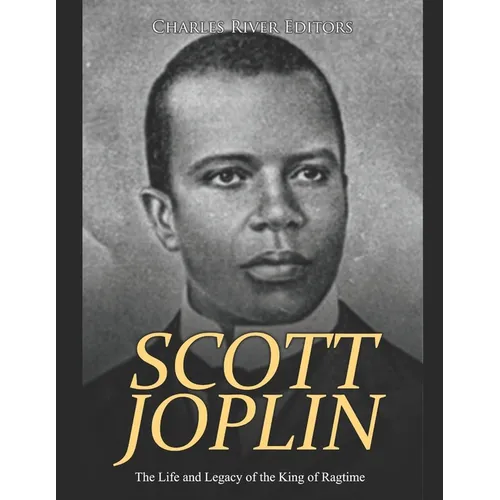
Scott Joplin: The Life and Legacy of the King of Ragtime profiles how he became one of 20th century music's most influential figures. Along with pictures of important people, places, and events, you will learn about Scott Joplin like never before.



