Skip to content
Welcome To Our Store.
100,000+ Products for Home, Medical, Office & Classroom Needs
Search
Skip to product information
1 of 1

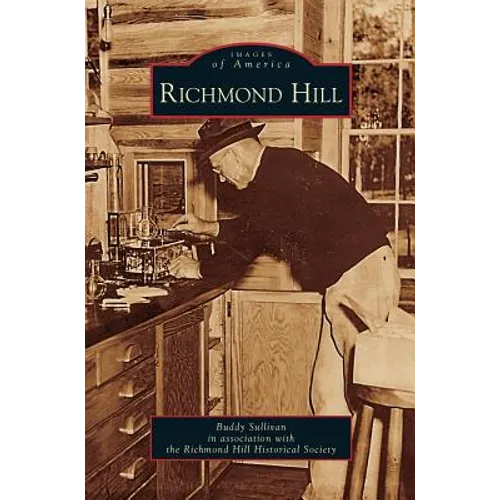
Richmond Hill - Hardcover

$34.54 USD
$34.54 USD
Sale Sold out
Shipping calculated at checkout.
In stock (100 units), ready to be shipped

Available Offers

Fastest Delivery Tomorrow With Vip DealOrder within 1 hr 8 mins.

Instant 10% Discount On HDFC Banks Credit/Debit Cards EMI and CreditCard

Secure checkout with
  • American Express
  • Apple Pay
  • Diners Club
  • Discover
  • Google Pay
  • Mastercard
  • PayPal
  • Shop Pay
  • Visa

Flight Range: Up to 1,000 meters (3,280 feet)

Maximum Speed: 45 kilometers per hour (28 miles per hour)

For all orders exceeding a value of 100USD shipping is offered for free.

Returns will be accepted for up to 10 days of Customer’s receipt or tracking number on unworn items. You, as a Customer, are obliged to inform us via email before you return the item.

Otherwise, standard shipping charges apply. Check out our delivery Terms & Conditions for more details.

View Product Details
Shopping cart
Product Product subtotal Quantity Price Product subtotal
Richmond Hill - Hardcover
$34.54/ea
$0.00
$34.54/ea $0.00

Product Description

by Buddy Sullivan (Author), Richmond Hill Historical Society (With)

When automotive pioneer Henry Ford burst upon the scene in 1925, Ways Station was hardly more than an assemblage of modest residences, a store or two, and a post office. Spurred by the energies and vision of Ford, an army of agricultural, industrial, medical, and educational experts from Dearborn, Michigan, transformed the area into one of the most productive, vibrant communities on the southern tidewater. Ford employed hundreds of area residents to farm 85,000 acres along the Ogeechee River. He also established sawmills, lumberyards, and agricultural experiment stations. He provided the impetus for schools and educational programs and introduced 20thcentury medicine to the area. By 1941 and the eve of World War II, Ways Station had become Richmond Hill and had attained the peak of its renewed enterprise. Since that time, the community has been called "the town Henry Ford built."


Number of Pages: 130
Dimensions: 0.38 x 9.61 x 6.69 IN
Publication Date: September 27, 2006
you might like
