Skip to content
Welcome To Our Store.
100,000+ Products for Home, Medical, Office & Classroom Needs
Search
Skip to product information
1 of 1

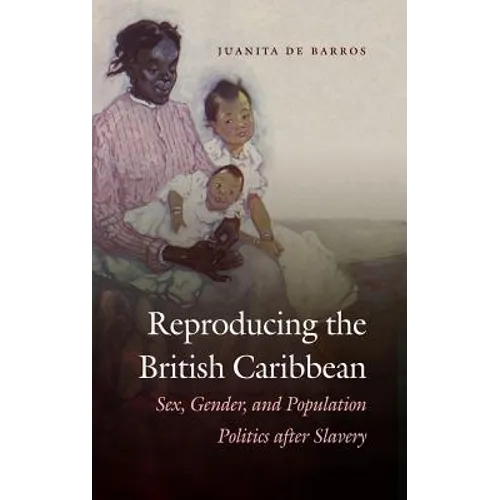
Reproducing the British Caribbean: Sex, Gender, and Population Politics after Slavery - Paperback

$64.73 USD
$64.73 USD
Sale Sold out
Shipping calculated at checkout.
In stock (100 units), ready to be shipped

Available Offers

Fastest Delivery Tomorrow With Vip DealOrder within 1 hr 8 mins.

Instant 10% Discount On HDFC Banks Credit/Debit Cards EMI and CreditCard

Secure checkout with
  • American Express
  • Apple Pay
  • Diners Club
  • Discover
  • Google Pay
  • Mastercard
  • PayPal
  • Shop Pay
  • Visa

Flight Range: Up to 1,000 meters (3,280 feet)

Maximum Speed: 45 kilometers per hour (28 miles per hour)

For all orders exceeding a value of 100USD shipping is offered for free.

Returns will be accepted for up to 10 days of Customer’s receipt or tracking number on unworn items. You, as a Customer, are obliged to inform us via email before you return the item.

Otherwise, standard shipping charges apply. Check out our delivery Terms & Conditions for more details.

View Product Details
Shopping cart
Product Product subtotal Quantity Price Product subtotal
Reproducing the British Caribbean: Sex, Gender, and Population Politics after Slavery - Paperback
$64.73/ea
$0.00
$64.73/ea $0.00

Product Description

by Juanita de Barros (Author)

This innovative book traces the history of ideas and policymaking concerning population growth and infant and maternal welfare in Caribbean colonies wrestling with the aftermath of slavery. Focusing on Jamaica, Guyana, and Barbados from the nineteenth century through the 1930s, when violent labor protests swept the region, Juanita De Barros takes a comparative approach in analyzing the struggles among former slaves and masters attempting to determine the course of their societies after emancipation.

Invested in the success of the "great experiment" of slave emancipation, colonial officials developed new social welfare and health policies. Concerns about the health and size of ex-slave populations were expressed throughout the colonial world during this period. In the Caribbean, an emergent black middle class, rapidly increasing immigration, and new attitudes toward medicine and society were crucial factors. While hemispheric and diasporic trends influenced the new policies, De Barros shows that local physicians, philanthropists, midwives, and the impoverished mothers who were the targets of this official concern helped shape and implement efforts to ensure the health and reproduction of Caribbean populations in the decades before independence.


Number of Pages: 296
Dimensions: 0.9 x 9.1 x 6 IN
Illustrated: Yes
Publication Date: August 04, 2014
you might like
