


Product Description
by Eric Anderson (Author)
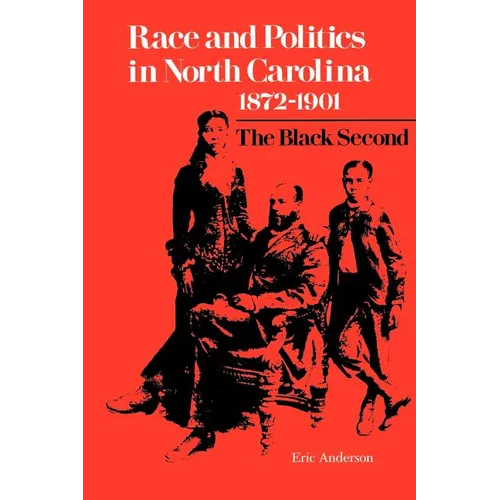
Eric Anderson studies one of the most remarkable centers of black political influence in the late nineteenth century--North Carolina's second congressional district. From its creation in 1872 as a result of gerrymandering to its collapse in the extremism of 1900, the "black second" produced increasingly effective black leaders in public office, from postmasters to prosecuting attorneys and congressmen.
Race and Politics in North Carolina illuminates the complex effects upon whites of the rise of black leadership, both within the Republican party and in the larger community. Although many white Republicans found it difficult to accept an increasing role for blacks, they worked in acceptable if awkward partnership with Negro Republicans. By 1900 strident appeals for white solidarity had cracked the fragile biracial unit of the Republican second district. With the emergence of such Democratic leaders as Furnifold Simmons, Josephus Daniels, Charles B. Aycock, and Claude Kitchin--second district men all--a restrictive notion of the Negro's place in society had triumphed in North Carolina and the nation. Eric Anderson's study examines regional and national history. His record clarifies a confusing, uneven period of promise from the emancipation to the disfranchisement of black Americans.Back Jacket
Eric Anderson clarifies a confusing, uneven period of promise from the emancipation to the disfranchisement of black Americans. He examines regional and national history in his record of one of the most remarkable centers of black political influence in the late nineteenth century--North Carolina's second congressional district. From its creation in 1872 as a result of gerrymandering to its collapse in the extremism of 1900, the "black second" produced increasingly effective black leaders in public office, from postmasters to prosecuting attorneys and congressmen.
Author Biography
Eric Anderson received his Ph.D. from the University of Chicago and teaches history at the Pacific Union College in California.



