Skip to content
Welcome To Our Store.
100,000+ Products for Home, Medical, Office & Classroom Needs
Search
Skip to product information
1 of 1

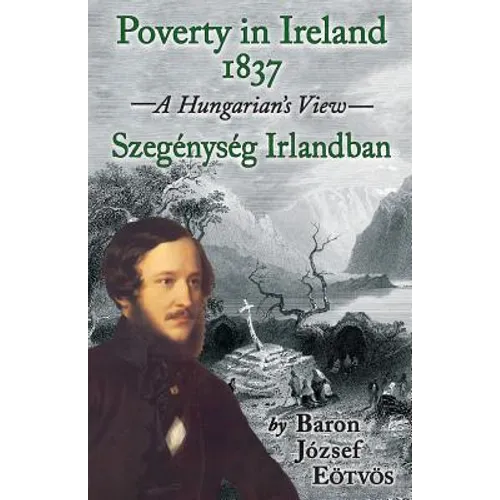
Poverty in Ireland 1837: Szegénység Irlandban - Paperback

$20.47 USD
$20.47 USD
Sale Sold out
Shipping calculated at checkout.
In stock (100 units), ready to be shipped

Available Offers

Fastest Delivery Tomorrow With Vip DealOrder within 1 hr 8 mins.

Instant 10% Discount On HDFC Banks Credit/Debit Cards EMI and CreditCard

Secure checkout with
  • American Express
  • Apple Pay
  • Diners Club
  • Discover
  • Google Pay
  • Mastercard
  • PayPal
  • Shop Pay
  • Visa

Flight Range: Up to 1,000 meters (3,280 feet)

Maximum Speed: 45 kilometers per hour (28 miles per hour)

For all orders exceeding a value of 100USD shipping is offered for free.

Returns will be accepted for up to 10 days of Customer’s receipt or tracking number on unworn items. You, as a Customer, are obliged to inform us via email before you return the item.

Otherwise, standard shipping charges apply. Check out our delivery Terms & Conditions for more details.

View Product Details
Shopping cart
Product Product subtotal Quantity Price Product subtotal
Poverty in Ireland 1837: Szegénység Irlandban - Paperback
$20.47/ea
$0.00
$20.47/ea $0.00

Product Description

by József Eötvös (Author), Sheila Jones (Editor)


In 1837, the power of Daniel O'Connell's oratory focused the attention of Europeans on Ireland. They were horrified at what they saw there. The Irish poor - a third of the population - had no food except the potatoes they grew, and not enough clothing to cover themselves. They went hungry for two months of the year, and half-naked for all the year. Yet this would be their last 'good' decade before more than a million of them would vanish into unmarked graves in the 1840s. The idealistic young Baron E tv s - a humanitarian and already a much-praised poet - struggled to understand how Ireland could have been reduced to this state under English rule, and why English journalists wrote with such bigotry about the Irish. In Hungary, he was a campaigner for the freedom of serfs, but conceded that those serfs lived in better conditions and had more protection than Irish tenants and labourers. The only protection for the Irish poor came from illegal organizations such as the Whiteboys.His visit coincided with a pivotal moment in Irish history, when debate was raging about the introduction of a 'Poor Law' (with Poor Tax to pay for it) - a charitable-sounding term for a cruel Act aimed at clearing the land of people who had no other means of survival.His deeply researched summary of the English occupation of Ireland - uninfluenced by modern revisionism - makes compelling, often harrowing reading.


Number of Pages: 220
Dimensions: 0.5 x 8.5 x 5.5 IN
Illustrated: Yes
Publication Date: March 15, 2017
you might like
