Product Description
by M. Keith Booker (Author)
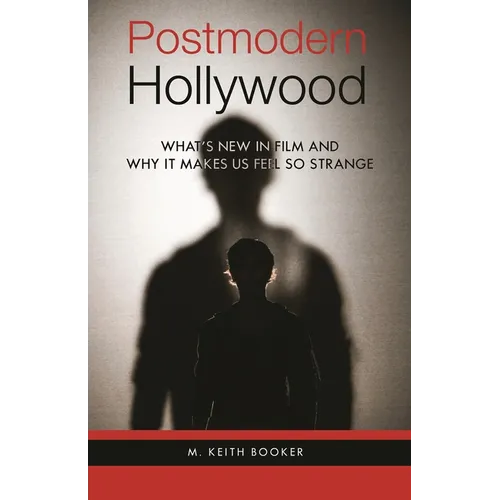
Postmodernism is essential to American culture today. We can see its manifestations on billboards and on television; we can hear its tone on the radio and in everyday conversation; and we can even sense its outlook in how we live our lives. This volume presents an accessible and brief summary of postmodernism, especially as it pertains to American cinema-one of the central players and leading lights in the development of this cultural attitude. Four distinct sections investigate postmodernist fragmentation, musical use, and pastiches of previous television shows and cinematic genres in such films as Quentin Tarantino's Pulp Fiction, David Lynch's Mulholland Drive, and Sofia Coppola's Marie Antoinette.
Discussions of the phenomenon of postmodernism have established certain characteristics that are typical of postmodernist culture. These characteristics include formal fragmentation, a tendency toward a particular kind of nostalgia, and the use of materials and styles borrowed from previous films and other cultural products. This volume presents a brief summary of the characteristics that have typically been associated with postmodernism, especially as they pertain to film. It illustrates those characteristics with discussions of a wide variety of American films of the past thirty years, noting how those films participate in the phenomenon of postmodernism. Emphasis is on popular, commercial films, rather than the more esoteric, experimental products that have sometimes been associated with postmodern film. Booker's work contains detailed discussions of a wide variety of American films--including classics like Sullivan's Travels and The Last Picture Show, and recent successes such as Scream, Natural Born Killers, Memento, Moulin Rouge, and Fight Club--noting how these films participate in the phenomenon of postmodernism, and how they have helped to shape its current form.Author Biography
M. Keith Booker is Professor of English at the University of Arkansas. He is the author of numerous articles and books on modern literature, literary theory, television, and film including Monsters, Mushroom Clouds, and the Cold War (2001), Strange TV: Innovative Television Series from The Twilight Zone to The X-Files (2002), Science Fiction Television (2004), Alternate Americas: Science Fiction Film and American Culture (2006), Drawn to Television: Prime-Time Animation from The Flintstones to Family Guy (2006), and From Box Office to Ballot Box: The American Political Film (2007).