Skip to content
Welcome To Our Store.
100,000+ Products for Home, Medical, Office & Classroom Needs
Search
Skip to product information
1 of 1

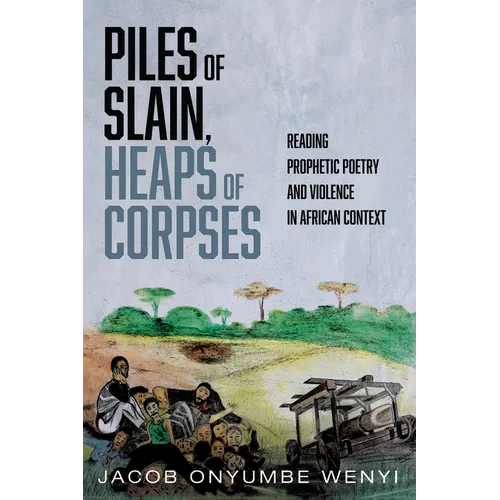
Piles of Slain, Heaps of Corpses: Reading Prophetic Poetry and Violence in African Context - Hardcover

$47.52 USD
$47.52 USD
Sale Sold out
Shipping calculated at checkout.
In stock (100 units), ready to be shipped

Available Offers

Fastest Delivery Tomorrow With Vip DealOrder within 1 hr 8 mins.

Instant 10% Discount On HDFC Banks Credit/Debit Cards EMI and CreditCard

Secure checkout with
  • American Express
  • Apple Pay
  • Diners Club
  • Discover
  • Google Pay
  • Mastercard
  • PayPal
  • Shop Pay
  • Visa

Flight Range: Up to 1,000 meters (3,280 feet)

Maximum Speed: 45 kilometers per hour (28 miles per hour)

For all orders exceeding a value of 100USD shipping is offered for free.

Returns will be accepted for up to 10 days of Customer’s receipt or tracking number on unworn items. You, as a Customer, are obliged to inform us via email before you return the item.

Otherwise, standard shipping charges apply. Check out our delivery Terms & Conditions for more details.

View Product Details
Shopping cart
Product Product subtotal Quantity Price Product subtotal
Piles of Slain, Heaps of Corpses: Reading Prophetic Poetry and Violence in African Context - Hardcover
$47.52/ea
$0.00
$47.52/ea $0.00

Product Description

by Jacob Onyumbe Wenyi (Author), Ellen F. Davis (Foreword by)

Piles of Slain, Heaps of Corpses reads the violence in the book of Nahum against the background of the war in the Democratic Republic of the Congo and tries to show how this violent book can be therapeutic and transformative for wounded communities. Here Jacob Onyumbe views Nahum through four scholarly lenses: poetic analysis, study of Assyrian iconography related to eighth- and seventh-century Judah, ethnographic research among survivors of war in the Democratic Republic of the Congo, and modern studies on the impact of war trauma on communities of survivors. He argues that Nahum uses lyric poetry so as to evoke in seventh-century BCE Judahite audiences the memory of war and destruction at the hands of the Assyrians. The prophet uses poetry to evoke (rather than narrate) in order to bring comfort to his audience by revealing the powerful presence of God in the conditions of traumatic violence. Viewed thus, the book of Nahum cannot be dismissed (as has commonly been the case among both scholars and general readers) as irrelevant or merely vindictive. On the contrary, this book--with its depiction of a vengeful God and repulsive war scenes--is essential, especially for traumatized communities.


Number of Pages: 224
Dimensions: 0.63 x 9 x 6 IN
Publication Date: June 02, 2021
you might like
