Skip to content
Welcome To Our Store.
100,000+ Products for Home, Medical, Office & Classroom Needs
Search
Skip to product information
1 of 2

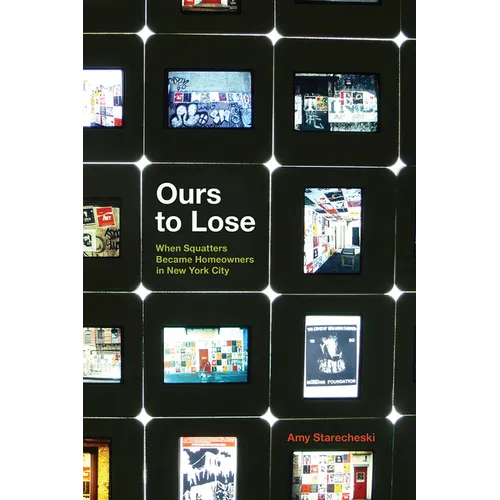
Ours to Lose: When Squatters Became Homeowners in New York City - Paperback

$54.72 USD
$54.72 USD
Sale Sold out
Shipping calculated at checkout.
In stock (100 units), ready to be shipped

Available Offers

Fast delivery available on most orders

Multiple secure payment options accepted

Secure checkout with
  • American Express
  • Apple Pay
  • Diners Club
  • Discover
  • Google Pay
  • Mastercard
  • PayPal
  • Shop Pay
  • Visa

Flight Range: Up to 1,000 meters (3,280 feet)

Maximum Speed: 45 kilometers per hour (28 miles per hour)

For all orders exceeding a value of 100USD shipping is offered for free.

Returns will be accepted for up to 10 days of Customer’s receipt or tracking number on unworn items. You, as a Customer, are obliged to inform us via email before you return the item.

Otherwise, standard shipping charges apply. Check out our delivery Terms & Conditions for more details.

View Product Details
Shopping cart
Product Product subtotal Quantity Price Product subtotal
Ours to Lose: When Squatters Became Homeowners in New York City - Paperback
$54.72/ea
$0.00
$54.72/ea $0.00

Product Description

by Amy Starecheski (Author)

Though New York's Lower East Side today is home to high-end condos and hip restaurants, it was for decades an infamous site of blight, open-air drug dealing, and class conflict-an emblematic example of the tattered state of 1970s and '80s Manhattan.

Those decades of strife, however, also gave the Lower East Side something unusual: a radical movement that blended urban homesteading and European-style squatting in a way never before seen in the United States. Ours to Lose tells the oral history of that movement through a close look at a diverse group of Lower East Side squatters who occupied abandoned city-owned buildings in the 1980s, fought to keep them for decades, and eventually began a long, complicated process to turn their illegal occupancy into legal cooperative ownership. Amy Starecheski here not only tells a little-known New York story, she also shows how property shapes our sense of ourselves as social beings and explores the ethics of homeownership and debt in post-recession America.

Author Biography

Amy Starecheski is co-director of the Oral History Master of Arts program at Columbia University. She won first prize in the 2016 SAPIENS-Allegra competition.

Number of Pages: 344
Dimensions: 0.7 x 9 x 5.9 IN
Illustrated: Yes
Publication Date: November 07, 2016
you might like

