Skip to content
Welcome To Our Store.
100,000+ Products for Home, Medical, Office & Classroom Needs
Search
Skip to product information
1 of 1

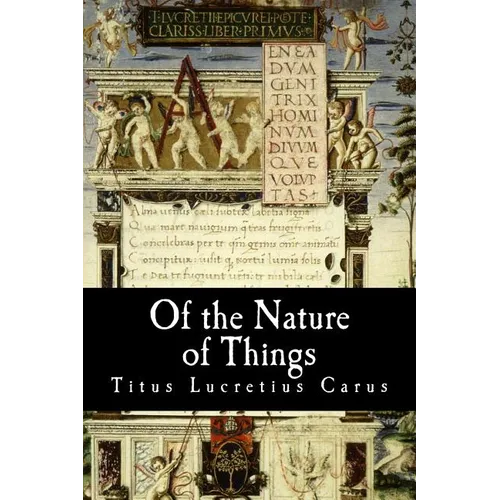
Of the Nature of Things - Paperback

$20.23 USD
$20.23 USD
Sale Sold out
Shipping calculated at checkout.
In stock (100 units), ready to be shipped

Available Offers

Fastest Delivery Tomorrow With Vip DealOrder within 1 hr 8 mins.

Instant 10% Discount On HDFC Banks Credit/Debit Cards EMI and CreditCard

Secure checkout with
  • American Express
  • Apple Pay
  • Diners Club
  • Discover
  • Google Pay
  • Mastercard
  • PayPal
  • Shop Pay
  • Visa

Flight Range: Up to 1,000 meters (3,280 feet)

Maximum Speed: 45 kilometers per hour (28 miles per hour)

For all orders exceeding a value of 100USD shipping is offered for free.

Returns will be accepted for up to 10 days of Customer’s receipt or tracking number on unworn items. You, as a Customer, are obliged to inform us via email before you return the item.

Otherwise, standard shipping charges apply. Check out our delivery Terms & Conditions for more details.

View Product Details
Shopping cart
Product Product subtotal Quantity Price Product subtotal
Of the Nature of Things - Paperback
$20.23/ea
$0.00
$20.23/ea $0.00

Product Description

by Alex Struik (Illustrator), Titus Lucretius Carus (Author)

Titus Lucretius Carus (circa 99 BC - 55 BC) was a Roman poet and philosopher. His only known work is the epic philosophical poem "De rerum natura" about the beliefs of Epicureanism, and which is translated into English as On the Nature of Things or "On the Nature of the Universe". Virtually nothing is known about the life of Lucretius. Jerome tells how he was driven mad by a love potion and wrote his poetry between fits of insanity, eventually committing suicide in middle age; but modern scholarship suggests this account was likely an invention. The De rerum natura was a considerable influence on the Augustan poets, particularly Virgil and Horace. It virtually disappeared during the Middle Ages, but was rediscovered in a monastery in Germany in 1417, by Poggio Bracciolini, and played an important role both in the development of atomism (Lucretius was an important influence on Pierre Gassendi).

Number of Pages: 300
Dimensions: 0.63 x 9.02 x 5.98 IN
Publication Date: February 14, 2013
you might like