


Product Description
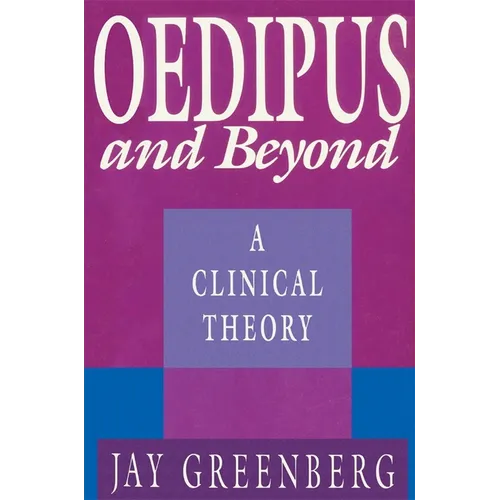
by Jay R. Greenberg (Author)
Psychoanalysis, entering its second century, is a vital yet divided discipline. A confusing array of mutually contradictory theories compete for the loyalty of clinicians and for the attention of all those interested in understanding human experience.
In the classic Object Relations in Psychoanalytic Theory, Jay Greenberg and his coauthor Stephen Mitchell brought clarity to the confusion surrounding psychoanalytic disputes. They defined two competing models: the drive model, which addresses the private dimensions of experience; and the relational model, which reveals the relentlessly social aspect of our lives. Oedipus and Beyond builds on Greenberg's earlier contribution. Beginning with a brilliant critique of the conceptual framework of psychoanalysis, he provides fresh insight into Freud's theory, demonstrating how attempts to resolve some of its shortcomings have generated their own theoretical and clinical dilemmas. In the process he illuminates the roles of the Oedipus complex, the drives, the unconscious, and psychic structure in shaping the sensibilities of alternative psychoanalytic approaches. Greenberg does not attempt to synthesize the two models, because he believes that diversity is essential if psychoanalysis is to remain strong. Instead, he proposes a compelling and practical clinical theory in which Freud's insistence on the importance of inner motivation, psychic conflict, and personal agency effectively informs a relational emphasis on the fundamental influence of social living. The book concludes with some apt illustrations of how the "representational model" can enrich clinical work. Greenberg rethinks the process of making the unconscious conscious, and arrives at new approaches to the analyst's neutrality, to transference analysis, and to countertransference. The result reflects the author's profound insight into the structure of psychoanalytic theory and his mastery of the contributions of diverse psychoanalytic schools. Perhaps most important, Greenberg's argument never loses touch with his clinical experience; ultimately, this is the deeply personal statement of a skilled practitioner.Back Jacket
Psychoanalysis, entering its second century, is a vital yet divided discipline. A confusing array of mutually contradictory theories compete for the loyalty of clinicians and for the attention of all those interested in understanding human experience. In the classic Object Relations in Psychoanalytic Theory, Jay Greenberg and his coauthor Stephen Mitchell brought clarity to the confusion surrounding psychoanalytic disputes. They defined two competing models: the drive model, which addresses the private dimensions of experience; and the relational model, which reveals the relentlessly social aspect of our lives. Oedipus and Beyond builds on Greenberg's earlier contribution. Beginning with a brilliant critique of the conceptual framework of psychoanalysis, he provides fresh insight into Freud's theory, demonstrating how attempts to resolve some of its shortcomings have generated their own theoretical and clinical dilemmas. In the process he illuminates the roles of the Oedipus complex, the drives, the unconscious, and psychic structure in shaping the sensibilities of alternative psychoanalytic approaches. Greenberg does not attempt to synthesize the two models, because he believes that diversity is essential if psychoanalysis is to remain strong. Instead, he proposes a compelling and practical clinical theory in which Freud's insistence on the importance of inner motivation, psychic conflict, and personal agency effectively informs a relational emphasis on the fundamental influence of social living. The book concludes with some apt illustrations of how the "representational model" can enrich clinical work. Greenberg rethinks the process of making the unconscious conscious, and arrives atnew approaches to the analyst's neutrality, to transference analysis, and to countertransference. The result reflects the author's profound insight into the structure of psychoanalytic theory and his mastery of the contributions of diverse psychoanalytic schools. Perhaps most important, Greenberg's argument never loses touch with his clinical experience; ultimately, this is the deeply personal statement of a skilled practitioner.