Skip to content
Welcome To Our Store.
100,000+ Products for Home, Medical, Office & Classroom Needs
Search
Skip to product information
1 of 1

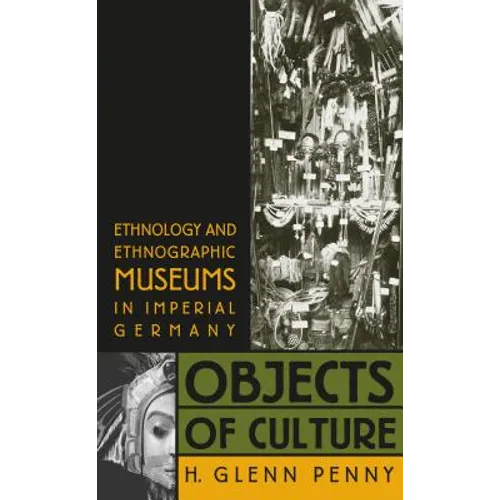
Objects of Culture: Ethnology and Ethnographic Museums in Imperial Germany - Paperback

$89.10 USD
$89.10 USD
Sale Sold out
Shipping calculated at checkout.
In stock (100 units), ready to be shipped

Available Offers

Fast delivery available on most orders

Multiple secure payment options accepted

Secure checkout with
  • American Express
  • Apple Pay
  • Diners Club
  • Discover
  • Google Pay
  • Mastercard
  • PayPal
  • Shop Pay
  • Visa

Flight Range: Up to 1,000 meters (3,280 feet)

Maximum Speed: 45 kilometers per hour (28 miles per hour)

For all orders exceeding a value of 100USD shipping is offered for free.

Returns will be accepted for up to 10 days of Customer’s receipt or tracking number on unworn items. You, as a Customer, are obliged to inform us via email before you return the item.

Otherwise, standard shipping charges apply. Check out our delivery Terms & Conditions for more details.

View Product Details
Shopping cart
Product Product subtotal Quantity Price Product subtotal
Objects of Culture: Ethnology and Ethnographic Museums in Imperial Germany - Paperback
$89.10/ea
$0.00
$89.10/ea $0.00

Product Description

by H. Glenn Penny (Author)

In the late nineteenth century, Germans spearheaded a worldwide effort to preserve the material traces of humanity, designing major ethnographic museums and building extensive networks of communication and exchange across the globe. In this groundbreaking study, Glenn Penny explores the appeal of ethnology in Imperial Germany and analyzes the motivations of the scientists who created the ethnographic museums.

Penny shows that German ethnologists were not driven by imperialist desires or an interest in legitimating putative biological or racial hierarchies. Overwhelmingly antiracist, they aspired to generate theories about the essential nature of human beings through their museums' collections. They gained support in their efforts from boosters who were enticed by participating in this international science and who used it to promote the cosmopolitan character of their cities and themselves. But these cosmopolitan ideals were eventually overshadowed by the scientists' more modern, professional, and materialist concerns, which dramatically altered the science and its goals.

By clarifying German ethnologists' aspirations and focusing on the market and conflicting interest groups, Penny makes important contributions to German history, the history of science, and museum studies.


Number of Pages: 304
Dimensions: 0.7 x 8.7 x 6.32 IN
Publication Date: December 09, 2002
you might like
