


Product Description
by Mark Risjord (Author)
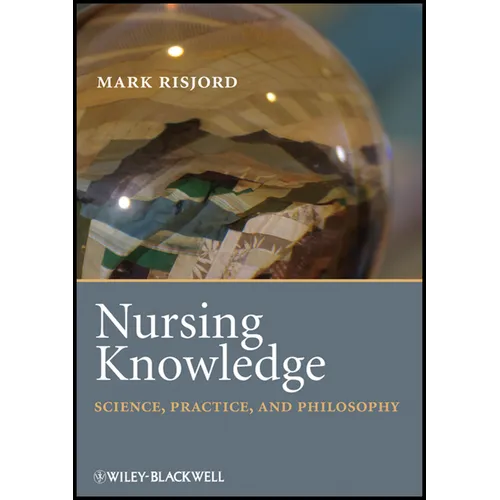
Nurses who conduct research have a longstanding interest in questions of nursing knowledge. Nursing Knowledge is a clear and well-informed exposition of the philosophical background to nursing theory and research. Nursing Knowledge answers such fundamental questions as: How is nursing theory related to nursing practice? What are the core elements of nursing knowledge? What makes nursing research distinctive as nursing research? It examines the history of the philosophical debates within nursing, critiques the arguments, explains the implications and sets out to rethink the philosophical foundation of nursing science.
Nursing Knowledge begins with philosophical problems that arise within nursing science. It then considers various solutions with the help of philosophical ideas arguingargues that nurses ought to adopt certain philosophical positions because they are the best solutions to the problems that nurses encounter. The book argues claims that the nursing standpoint has the potential to disclose a more complete understanding of human health than the common disease-and-dysfunction views. Because of the relationship to practice, nursing science may freely draw theory from other disciplines and nursing practice unifies nursing research. By redefining theory and philosophy, With a new philosophical perspective on nursing science, the so-called relevance gap between nursing theory and practice can be closed.
The final chapter of the book 'redraws the map', to create a new picture of nursing science based on the following principles:
- Problems of practice should guide nursing research
- Practice and theory are dynamically related
- Theory research must provide the knowledge base necessary for nurse interventions, training, patient education, etc.
- Nursing research should develop midrange theories and its results are nursing theory is strengthened when it uses theories confirmed by is integrated with other disciplines
Key features
- Clear and accessibly written
- Accurate and philosophically well-informed,
- Discusses philosophical problems in contexts familiar to nurses
- Systematically examines the philosophical issues involved in nursing research
- Examines epistemology (how we know what we know), theory development, and the philosophical foundations of scientific methodology.
- Develops a new model of nursing knowledge
Dr. Mark Risjord is Associate Professor in Philosophy at Emory University, and has a faculty appointment in the Nell Hodgson Woodruff School of Nursing. His main research areas have been in the philosophy of social science and the philosophy of medicine. He was invited to has been teaching philosophy of science and theory development in the new PhD program in the Nell Hodgson School of Nursing at Emory University insince 1999. He has been awarded two competitive teaching prizes: Emory Williams Distinguished Teaching Award (2004) and the Excellence in Teaching Award (1997). He is presently serving as the Masse-Martin/NEH Distinguished Teaching Chair (2006-2010).
Back Jacket
Nurses who conduct research have a longstanding interest in questions of nursing knowledge. Nursing Knowledge is a clear and well-informed exposition of the philosophical background to nursing theory and research. Nursing Knowledge answers such fundamental questions as: How is nursing theory related to nursing practice? What are the core elements of nursing knowledge? What makes nursing research distinctive as nursing research? It examines the history of the philosophical debates within nursing, critiques the arguments, explains the implications and sets out to rethink the philosophical foundation of nursing science.
Nursing Knowledge begins with philosophical problems that arise within nursing science. It argues that nurses ought to adopt certain philosophical positions because they are the best solutions to the problems that nurses encounter. The book claims that the nursing standpoint has the potential to disclose a more complete understanding of human health than the common disease-and-dysfunction views. Because of the relationship to practice, nursing science may freely draw theory from other disciplines and nursing practice unifies nursing research. With a new philosophical perspective on nursing science, the so-called relevance gap between nursing theory and practice can be closed.
The final chapter of the book 'redraws the map', to create a new picture of nursing science based on the following principles:
- problems of practice should guide nursing research
- practice and theory are dynamically related
- research must provide the knowledge base necessary for nurse interventions, training, patient education, etc.
- nursing theory is strengthened when it is integrated with other disciplines
Key features
- Clear and accessibly written
- Accurate and philosophically well-informed,
- Discusses philosophical problems in contexts familiar to nurses
- Systematically examines the philosophical issues involved in nursing research
- Examines epistemology (how we know what we know), theory development, and the philosophical foundations of scientific methodology.
- Develops a new model of nursing knowledge
ALSO OF INTEREST
Practice Development in Nursing
Brendan McCormack, Kim Manley & Robert Garbett
978-1-4051-1038-9
International Practice Development in Nursing and Healthcare
Kim Manley, Brendan McCormack & Valerie Wilson
978-1-4051-5676-9
Vital Notes for Nurses: Nursing Models, Theories and Practice
Hugh McKenna & Oliver Slevin
978-1-4051-3702-7
Author Biography
Dr. Mark Risjord is Associate Professor in Philosophy at Emory University, and has a faculty appointment in the Nell Hodgson Woodruff School of Nursing. His main research areas have been in the philosophy of social science and the philosophy of medicine. He has been teaching philosophy of science and theory development in the PhD program in the Nell Hodgson School of Nursing at Emory University since 1999. He has been awarded two competitive teaching prizes: Emory Williams Distinguished Teaching Award (2004) and the Excellence in Teaching Award (1997). He is presently serving as the Masse-Martin/NEH Distinguished Teaching Chair (2006-2010).