Product Description
by Anna Krakus (Author)
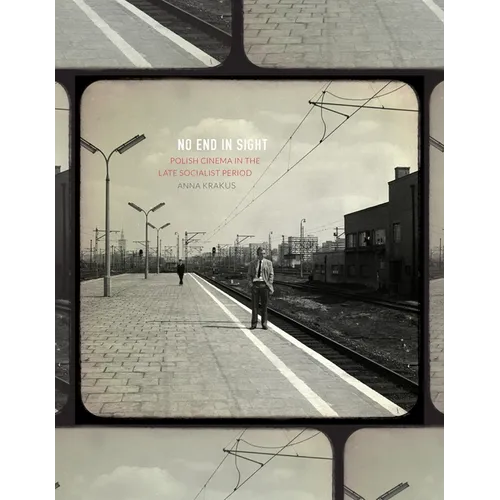
No End in Sight offers a critical analysis of Polish cinema and literature during the transformative late Socialist period of the 1970s and 1980s. Anna Krakus details how conceptions of time, permanence, and endings shaped major Polish artistic works. She further demonstrates how film and literature played a major role in shaping political consciousness during this highly-charged era. Despite being controlled by an authoritarian state and the doctrine of socialism, artists were able to portray the unsettled nature of the political and psychological climate of the period, and an undetermined future.
In analyzing films by Andrzej Wajda, Krzysztof Kieslowsi, Krzysztof Zanussi, Wojciech Has, and Tadeusz Konwicki alongside Konwicki's literary production, Anna Krakus identifies their shared penchant to defer or completely eschew narrative closure, whether in plot, theme, or style. Krakus calls this artistic tendency "aesthetic unfinalizability." As she reveals, aesthetic unfinalizability was far more than an occasional artistic preference or a passing trend; it was a radical counterpolitical act. The obsession with historical teleology saturated Polish public life during socialism to such a degree that instances of nonclosure or ambivalent endings emerged as polemical responses to official ideology.Author Biography
Anna Krakus is assistant professor of Slavic languages and literatures at the University of Southern California.
Number of Pages: 296
Dimensions: 0.9 x 9 x 6.9 IN
Illustrated: Yes
Publication Date: July 31, 2018