Skip to content
Welcome To Our Store.
100,000+ Products for Home, Medical, Office & Classroom Needs
Search
Skip to product information
1 of 1

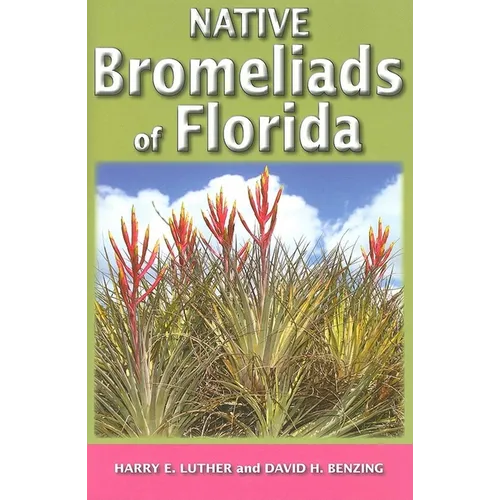
Native Bromeliads of Florida - Paperback

$16.95 USD
$16.95 USD
Sale Sold out
Shipping calculated at checkout.
In stock (100 units), ready to be shipped

Available Offers

Fastest Delivery Tomorrow With Vip DealOrder within 1 hr 8 mins.

Instant 10% Discount On HDFC Banks Credit/Debit Cards EMI and CreditCard

Secure checkout with
  • American Express
  • Apple Pay
  • Diners Club
  • Discover
  • Google Pay
  • Mastercard
  • PayPal
  • Shop Pay
  • Visa

Flight Range: Up to 1,000 meters (3,280 feet)

Maximum Speed: 45 kilometers per hour (28 miles per hour)

For all orders exceeding a value of 100USD shipping is offered for free.

Returns will be accepted for up to 10 days of Customer’s receipt or tracking number on unworn items. You, as a Customer, are obliged to inform us via email before you return the item.

Otherwise, standard shipping charges apply. Check out our delivery Terms & Conditions for more details.

View Product Details
Shopping cart
Product Product subtotal Quantity Price Product subtotal
Native Bromeliads of Florida - Paperback
$16.95/ea
$0.00
$16.95/ea $0.00

Product Description

by Harry E. Luther (Author), David H. Benzing (Author)

Do bromeliads ever harm their hosts? Are they parasites? Can any of them really live on air? How many kinds live in Florida? Are the pretty ones easy to grow in my garden? This is the first book on Florida's bromeliads and will appeal to both scientists and general readers interested in the state and its unique flora.

Sixteen of the world's 3400 kinds of bromeliads are found in Florida, along with two natural hybrids. These so-called "air plants" thrive on trees and shrubs as epiphytes, which means they have no roots in soil. They are not parasites, as they use their woody hosts only for mechanical support. Spanish moss and ball moss are found in great numbers throughout the state (and farther north). Most of the rest prefer the warmer climate of the peninsula, many in the cypress swamp forests of south Florida, where they occur so abundantly. This long-awaited book introduces them all, with means of identification, characteristics, distribution maps, and color photographs.


Number of Pages: 144
Dimensions: 0.39 x 9 x 6 IN
Publication Date: December 01, 2016
you might like
