Skip to content
Welcome To Our Store.
100,000+ Products for Home, Medical, Office & Classroom Needs
Search
Skip to product information
1 of 1

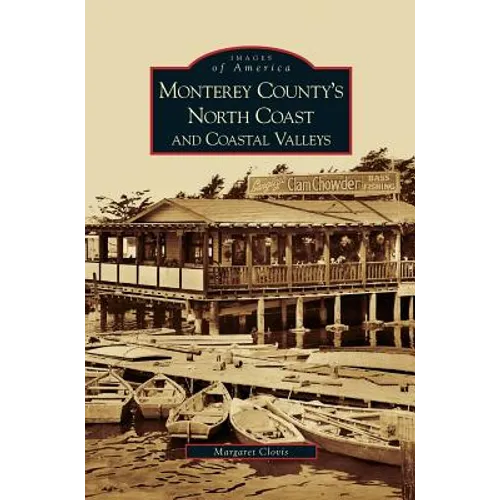
Monterey County's North Coast and Coastal Valleys - Hardcover

$34.54 USD
$34.54 USD
Sale Sold out
Shipping calculated at checkout.
In stock (100 units), ready to be shipped

Available Offers

Fastest Delivery Tomorrow With Vip DealOrder within 1 hr 8 mins.

Instant 10% Discount On HDFC Banks Credit/Debit Cards EMI and CreditCard

Secure checkout with
  • American Express
  • Apple Pay
  • Diners Club
  • Discover
  • Google Pay
  • Mastercard
  • PayPal
  • Shop Pay
  • Visa

Flight Range: Up to 1,000 meters (3,280 feet)

Maximum Speed: 45 kilometers per hour (28 miles per hour)

For all orders exceeding a value of 100USD shipping is offered for free.

Returns will be accepted for up to 10 days of Customer’s receipt or tracking number on unworn items. You, as a Customer, are obliged to inform us via email before you return the item.

Otherwise, standard shipping charges apply. Check out our delivery Terms & Conditions for more details.

View Product Details
Shopping cart
Product Product subtotal Quantity Price Product subtotal
Monterey County's North Coast and Coastal Valleys - Hardcover
$34.54/ea
$0.00
$34.54/ea $0.00

Product Description

by Margaret Clovis (Author)

Fog billows gently across Monterey County's north coast, a white blanket tucked up against the hills of Aromas. Beneath its protective shroud, fishing boats gently rock, artichokes thrive, and shorebirds build nests along Elkhorn Slough. In this muffled landscape of fertile loam crisscrossed by sloughs, settlers built four distinct communities. Juan B. Castro subdivided his family's rancho to found Castroville, now known as the artichoke capital of the world. Captain Moss and Cato Vierra opened a port, a sea gate to a premier agricultural area. Moss Landing later hosted whalers, a salt works, canneries, and a power generation plant. John Porter's ranch was a safe haven for Chinese immigrants. Their apple-drying businesses spearheaded Pajaro's development as a central rail-shipping point with several produce-packing companies. Aromas pioneers judged their valley well suited for growing apricots. Drifts of white blossoms buried Aromas in spring, while summer's vistas were golden with trays of drying apricots.

Number of Pages: 130
Dimensions: 0.38 x 9.61 x 6.69 IN
Publication Date: September 13, 2006
you might like