Skip to content
Save 5% on your next order with code PREMIUM5!
100,000+ Products for Home, Medical, Office & Classroom Needs
Search
Skip to product information
1 of 1

Masculinity in Byzantium, c. 1000-1200 - Hardcover

$183.60 USD
$183.60 USD
Sale Sold out
Shipping calculated at checkout.
In stock (100 units), ready to be shipped

Available Offers

Fast delivery available on most orders

Multiple secure payment options accepted

Secure checkout with
  • American Express
  • Apple Pay
  • Diners Club
  • Discover
  • Google Pay
  • Mastercard
  • PayPal
  • Shop Pay
  • Visa

Flight Range: Up to 1,000 meters (3,280 feet)

Maximum Speed: 45 kilometers per hour (28 miles per hour)

For all orders exceeding a value of 100USD shipping is offered for free.

Returns will be accepted for up to 10 days of Customer’s receipt or tracking number on unworn items. You, as a Customer, are obliged to inform us via email before you return the item.

Otherwise, standard shipping charges apply. Check out our delivery Terms & Conditions for more details.

View Product Details
Shopping cart
Product Product subtotal Quantity Price Product subtotal
Masculinity in Byzantium, c. 1000-1200 - Hardcover
$183.60/ea
$0.00
$183.60/ea $0.00

Product Description

by Maroula Perisanidi (Author)

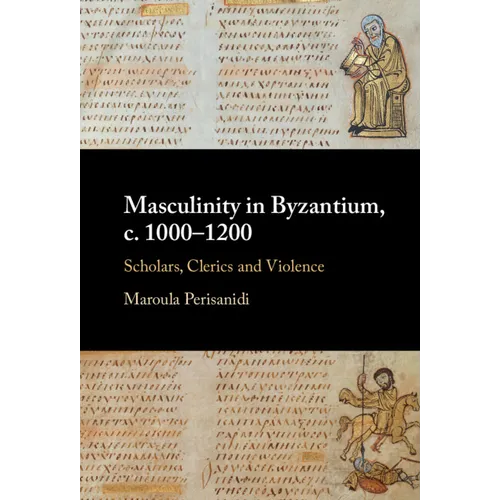
What does it mean to be a man? What makes one effeminate or manly? What renders a man 'Byzantine'? Drawing from theories of gender, posthumanism and disability, this book explores the role of learning, violence and animals in the construction of Byzantine masculinities. It foregrounds scholars and clerics, two groups who negotiated the hegemonic ideal of male violence in contrasting and unexpected ways. By flaunting their learning, scholars accumulated enough masculine capital to present more "feminine" emotional dispositions and to reject hunting and fighting without compromising their masculinity. Clerics often appear less peaceable. Some were deposed for fighting, while many others seem to have abandoned their roles to pursue warfare, demonstrating the fluidity of religious and gender identity. For both clerics and scholars, much of this gender-work depended on animals, whose entanglements with humans ranged from domination to mutual transformation.

Number of Pages: 206
Dimensions: 0.5 x 9 x 6 IN
Publication Date: November 21, 2024
you might like