Skip to content
Welcome To Our Store.
100,000+ Products for Home, Medical, Office & Classroom Needs
Search
Skip to product information
1 of 1

Marinship - Hardcover

$34.54 USD
$34.54 USD
Sale Sold out
Shipping calculated at checkout.
In stock (100 units), ready to be shipped

Available Offers

Fastest Delivery Tomorrow With Vip DealOrder within 1 hr 8 mins.

Instant 10% Discount On HDFC Banks Credit/Debit Cards EMI and CreditCard

Secure checkout with
  • American Express
  • Apple Pay
  • Diners Club
  • Discover
  • Google Pay
  • Mastercard
  • PayPal
  • Shop Pay
  • Visa

Flight Range: Up to 1,000 meters (3,280 feet)

Maximum Speed: 45 kilometers per hour (28 miles per hour)

For all orders exceeding a value of 100USD shipping is offered for free.

Returns will be accepted for up to 10 days of Customer’s receipt or tracking number on unworn items. You, as a Customer, are obliged to inform us via email before you return the item.

Otherwise, standard shipping charges apply. Check out our delivery Terms & Conditions for more details.

View Product Details
Shopping cart
Product Product subtotal Quantity Price Product subtotal
Marinship - Hardcover
$34.54/ea
$0.00
$34.54/ea $0.00

Product Description

by Eric J. Torney (Author)

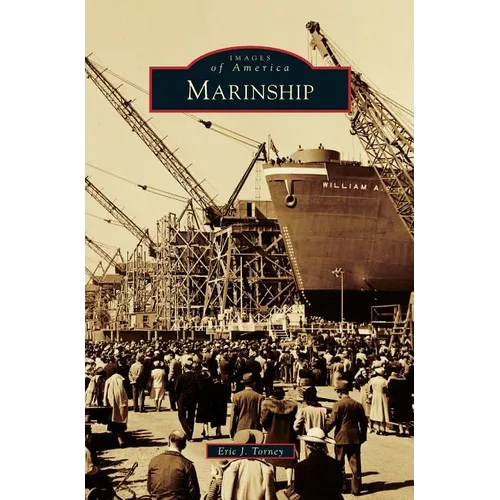
Marinship was a World War II shipyard built by the W.A. Bechtel Company to fulfill an urgent need for cargo ships to support soldiers all over the world. Sausalito was selected as the site for its unused railroad capacity and access to a deepwater channel and the Golden Gate Bridge. In March 1942, the shipyard was built on the site of the railroad maintenance yard and adjacent vacant mudflats, with the first ship being launched in September. At the time of its peak operation, there were as many as 20,000 workers. Workers were recruited from local resources at first but eventually a more widespread recruitment brought people from the Midwest and the South. These new workers, including minorities and women, enabled Marinship to become a leader in the integrated workforce phenomenon. As the war in Europe was won, fewer ships were needed. The Marinship labor force was reduced by about half until the victory in Japan, when ships were no longer needed. Marinship was soon taken over by the US Army Corps of Engineers, which disposed of what it did not need for its operations and currently maintains several buildings to facilitate its regional operations.


Number of Pages: 130
Dimensions: 0.38 x 9.61 x 6.69 IN
Publication Date: November 12, 2018
you might like
