Skip to content
Welcome To Our Store.
100,000+ Products for Home, Medical, Office & Classroom Needs
Search
Skip to product information
1 of 1

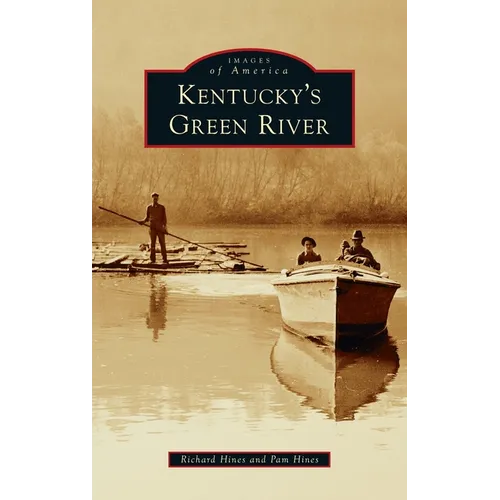
Kentucky's Green River - Hardcover

$41.02 USD
$41.02 USD
Sale Sold out
Shipping calculated at checkout.
In stock (100 units), ready to be shipped

Available Offers

Fastest Delivery Tomorrow With Vip DealOrder within 1 hr 8 mins.

Instant 10% Discount On HDFC Banks Credit/Debit Cards EMI and CreditCard

Secure checkout with
  • American Express
  • Apple Pay
  • Diners Club
  • Discover
  • Google Pay
  • Mastercard
  • PayPal
  • Shop Pay
  • Visa

Flight Range: Up to 1,000 meters (3,280 feet)

Maximum Speed: 45 kilometers per hour (28 miles per hour)

For all orders exceeding a value of 100USD shipping is offered for free.

Returns will be accepted for up to 10 days of Customer’s receipt or tracking number on unworn items. You, as a Customer, are obliged to inform us via email before you return the item.

Otherwise, standard shipping charges apply. Check out our delivery Terms & Conditions for more details.

View Product Details
Shopping cart
Product Product subtotal Quantity Price Product subtotal
Kentucky's Green River - Hardcover
$41.02/ea
$0.00
$41.02/ea $0.00

Product Description

by Richard Hines (Author), Pam Hines (Author)

Named for Revolutionary general Nathanael Greene, Kentucky's Green River begins a 384-mile journey at its source near Kings Mountain in Lincoln County, flowing through the Pennyroyal and Western Coal Field regions until its confluence with the Ohio River in Henderson County. Throughout the 1800s, the Green River was a lifeline for valley residents, both in obtaining supplies or transporting products to cities along the Ohio River and destinations as far as New Orleans. Flatboats moved lime, coal, tobacco, and whiskey out of the valley, while rafts of logs were floated to Evansville sawmills. In the 1830s, a series of locks and dams were built on the Green River, permanently raising water levels that finally allowed larger paddle wheel steamers to begin plying upstream, transporting passengers and freight into the river's upper reaches. Referred to as the "era of steamboating," these magnificent boats were numerous until the last of the fleet, the Evansville, burned in 1931. Today, commercial towboats continue moving numerous products along the lower segment of the river, while the upper portion of the river is known as the fourth-most diverse aquatic ecosystem in the United States, making it a destination for outdoor enthusiasts from across the country.


Number of Pages: 130
Dimensions: 0.38 x 9.21 x 6.14 IN
Publication Date: May 29, 2023
you might like
