


Product Description
by Orony Omolo (Author)
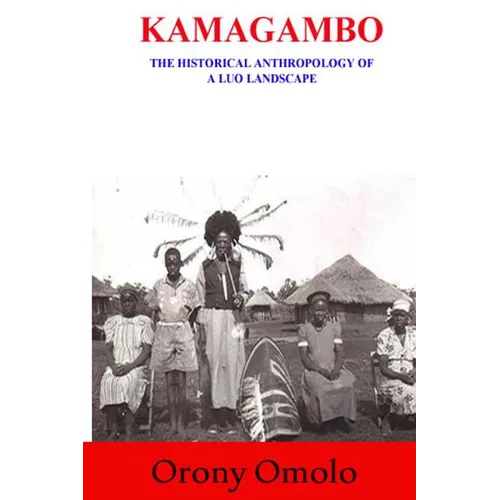
The history of Kenya, as in most of Africa, has been an ongoing account of competing ethnic cultures. More often than not, violent tribal conflict would erupt when one or more different ethnic groups would migrate into lands occupied or claimed by another group. Competition for land usually resulted in warfare and to the victor would go for the spoils. Remarkably, however, during the century from 1850-1950, there was fascinating exception that evolved in the Lake Victoria region of western Kenya when three quite different African ethnic groups found it was possible for all three to co-exist reasonably peacefully, co-operate for mutual benefit and even inter-marry. Today the area is known locally as Kamagambo. This book is about the origin and history of these people of Kamagambo that resulted in this cultural evolution. All of these ethnic groups were highly patriarchal, territorial and aggressively combative. Traditional ethnic cultural norms assigned clan and family leadership to men, relegating women to a distinctly subservient domestic role tending gardens, livestock and rearing children. Today the local people culturally predominately are Luo, many of whom are the descendants of inter-ethnic relationships of Luo, Masai and Bantu speaking people, mainly Suba. A most intriguing aspect of the account when these groups encountered one another was the dominant leadership role played by two or more exceptional women, one whose name was Magambo, hence the region of "Ka" (the place of) Ms. Magambo. What is remarkable, even unprecedented, is how peaceful and mutually beneficial this cultural interaction turned out to be. The Kamagambo experience is a testament to how with enlightened gender-balanced leadership, peaceful ethnic harmony can be the norm in Africa. Good, now I invite you to read on