Product Description
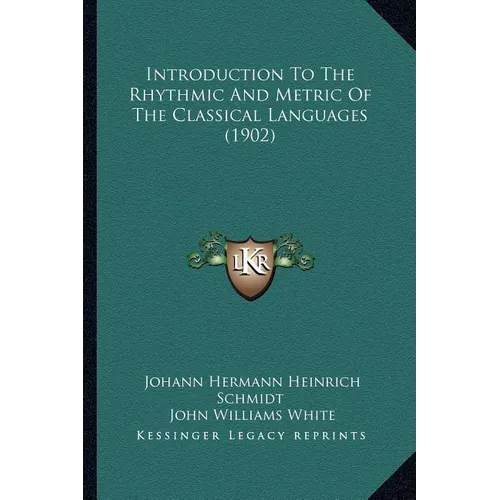
by Johann Hermann Heinrich Schmidt (Author), John Williams White (Translator)
Introduction to the Rhythmic and Metric of the Classical Languages is a scholarly work written by Johann Hermann Heinrich Schmidt and originally published in 1902. The book is a comprehensive guide to the rhythmic and metric principles of the classical languages, namely Greek and Latin. The book is divided into three main parts. The first part provides an overview of the basic principles of rhythm and meter, as well as an introduction to the various types of verse forms used in classical poetry. The second part focuses on the specific features of Greek and Latin meter, including the different types of feet and the rules for combining them into lines of verse. The third part explores the use of meter in classical poetry, including the ways in which poets used meter to create meaning and effect.Throughout the book, Schmidt provides numerous examples of classical poetry, both in the original language and in translation, to illustrate the various principles he discusses. He also includes exercises for readers to practice analyzing and scanning classical verse.Introduction to the Rhythmic and Metric of the Classical Languages is a valuable resource for scholars and students of classical literature, as well as anyone interested in the mechanics of poetry and the history of language. It remains an important work in the field of classical studies and continues to be referenced and studied today.This scarce antiquarian book is a facsimile reprint of the old original and may contain some imperfections such as library marks and notations. Because we believe this work is culturally important, we have made it available as part of our commitment for protecting, preserving, and promoting the world's literature in affordable, high quality, modern editions, that are true to their original work.