


Product Description
by Jakob Kronik (Author), Dorte Verner (Author)
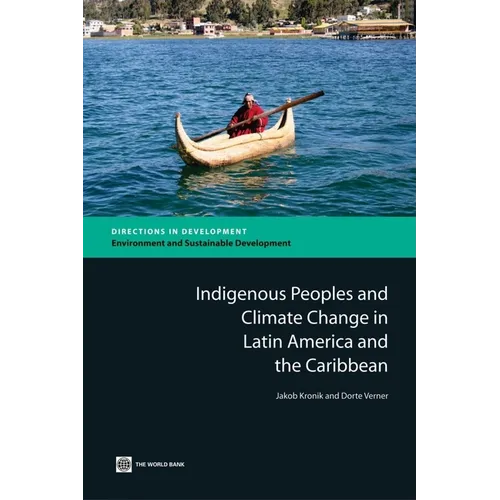
This book addresses the social implications of climate change and climatic variability on indigenous peoples and communities living in the highlands, lowlands, and coastal areas of Latin America and the Caribbean. Across the region, indigenous people already perceive and experience negative effects of climate change and variability. Many indigenous communities find it difficult to adapt in a culturally sustainable manner. In fact, indigenous peoples often blame themselves for the changes they observe in nature, despite their limited emission of green house gasses. Not only is the viability of their livelihoods threatened, resulting in food insecurity and poor health, but also their cultural integrity is being challenged, eroding the confidence in solutions provided by traditional institutions and authorities. The book is based on field research among indigenous communities in three major eco-geographical regions: the Amazon; the Andes and Sub-Andes; and the Caribbean and Mesoamerica. It finds major inter-regional differences in the impacts observed between areas prone to rapid- and slow-onset natural hazards. In Mesoamerican and the Caribbean, increasingly severe storms and hurricanes damage infrastructure and property, and even cause loss of land, reducing access to livelihood resources. In the Columbian Amazon, changes in precipitation and seasonality have direct immediate effects on livelihoods and health, as crops often fail and the reproduction of fish stock is threatened by changes in the river ebb and flow. In the Andean region, water scarcity for crops and livestock, erosion of ecosystems and changes in biodiversity threatens food security, both within indigenous villages and among populations who depend on indigenous agriculture, causing widespread migration to already crowded urban areas. The study aims to increase understanding on the complexity of how indigenous communities are impacted by climate change and the options for improving their resilience and adaptability to these phenomena. The goal is to improve indigenous peoples' rights and opportunities in climate change adaptation, and guide efforts to design effective and sustainable adaptation initiatives.



