Skip to content
Save 5% on your next order with code PREMIUM5!
100,000+ Products for Home, Medical, Office & Classroom Needs
Search
Skip to product information
1 of 1

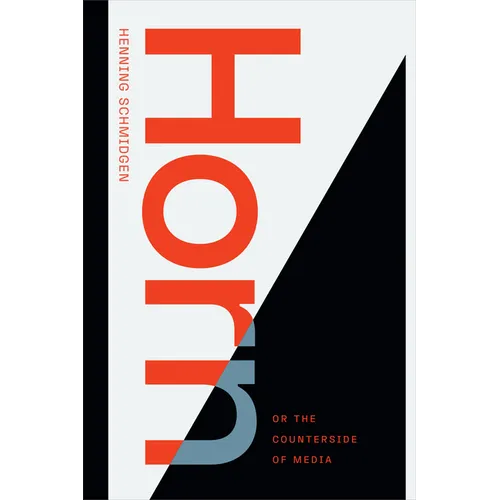
Horn, or the Counterside of Media - Paperback

$46.91 USD
$46.91 USD
Sale Sold out
Shipping calculated at checkout.
In stock (100 units), ready to be shipped

Available Offers

Fast delivery available on most orders

Multiple secure payment options accepted

Secure checkout with
  • American Express
  • Apple Pay
  • Diners Club
  • Discover
  • Google Pay
  • Mastercard
  • PayPal
  • Shop Pay
  • Visa

Flight Range: Up to 1,000 meters (3,280 feet)

Maximum Speed: 45 kilometers per hour (28 miles per hour)

For all orders exceeding a value of 100USD shipping is offered for free.

Returns will be accepted for up to 10 days of Customer’s receipt or tracking number on unworn items. You, as a Customer, are obliged to inform us via email before you return the item.

Otherwise, standard shipping charges apply. Check out our delivery Terms & Conditions for more details.

View Product Details
Shopping cart
Product Product subtotal Quantity Price Product subtotal
Horn, or the Counterside of Media - Paperback
$46.91/ea
$0.00
$46.91/ea $0.00

Product Description

by Henning Schmidgen (Author), Nils F. Schott (Translator)

We regularly touch and handle media devices. At the same time, media devices such as body scanners, car seat pressure sensors, and smart phones scan and touch us. In Horn, Henning Schmidgen reflects on the bidirectional nature of touch and the ways in which surfaces constitute sites of mediation between interior and exterior. Schmidgen uses the concept of "horn"--whether manifested as a rhinoceros horn or a musical instrument--to stand for both natural substances and artificial objects as spaces of tactility. He enters into creative dialogue with artists, scientists, and philosophers, ranging from Salvador Dalí, William Kentridge, and Rebecca Horn to Sigmund Freud, Walter Benjamin, and Marshall McLuhan, who plumb the complex interplay between tactility and technological and biological surfaces. Whether analyzing how Dalí conceived of images as tactile entities during his "rhinoceros phase" or examining the problem of tactility in Thomas Pynchon's The Crying of Lot 49, Schmidgen reconfigures understandings of the dynamic phenomena of touch in media.

Author Biography

Henning Schmidgen is Professor of Media Studies at Bauhaus-Universität Weimar and author of Bruno Latour in Pieces: An Intellectual Biography and The Helmholtz Curves: Tracing Lost Time.

Number of Pages: 320
Dimensions: 0.67 x 9 x 6 IN
Publication Date: January 21, 2022
you might like