Skip to content
Save 5% on your next order with code PREMIUM5!
100,000+ Products for Home, Medical, Office & Classroom Needs
Search
Skip to product information
1 of 1

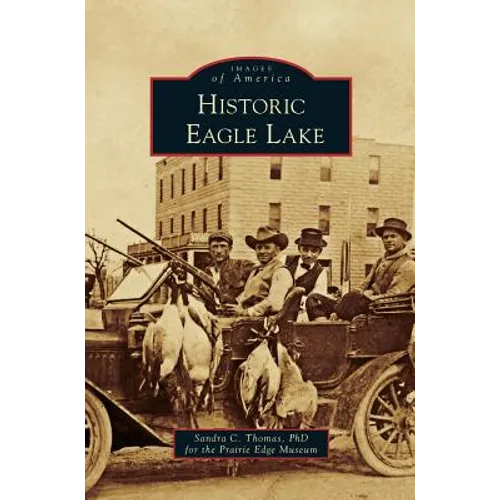
Historic Eagle Lake - Hardcover

$34.54 USD
$34.54 USD
Sale Sold out
Shipping calculated at checkout.
In stock (100 units), ready to be shipped

Available Offers

Fast delivery available on most orders

Multiple secure payment options accepted

Secure checkout with
  • American Express
  • Apple Pay
  • Diners Club
  • Discover
  • Google Pay
  • Mastercard
  • PayPal
  • Shop Pay
  • Visa

Flight Range: Up to 1,000 meters (3,280 feet)

Maximum Speed: 45 kilometers per hour (28 miles per hour)

For all orders exceeding a value of 100USD shipping is offered for free.

Returns will be accepted for up to 10 days of Customer’s receipt or tracking number on unworn items. You, as a Customer, are obliged to inform us via email before you return the item.

Otherwise, standard shipping charges apply. Check out our delivery Terms & Conditions for more details.

View Product Details
Shopping cart
Product Product subtotal Quantity Price Product subtotal
Historic Eagle Lake - Hardcover
$34.54/ea
$0.00
$34.54/ea $0.00

Product Description

by Sandra C. Thomas (Author)

Eagle Lake was named for its large natural lake, which attracted the Karankawa Indians and early settlers from Stephen F. Austin's band of 300 colonists. In its location near the lake, the Colorado River, and the coastal plains, Eagle Lake is a productive agricultural, gravel, ranching, waterfowl, wildflower, and shipping center. In the late 1800s, Eagle Lake was a profitable sugarcane area, with one of the largest sugar refineries in the South. It was founded as the third stop on the first operating railroad in Texas, the Buffalo Bayou, Brazos & Colorado. It became home to the Cane Belt Railroad and received several trainloads of weekend visitors from Houston who came to enjoy the lake pavilion and its dances, skating, boating, and fishing. Real estate trains brought potential residents from Midwestern states to buy land and settle the area in the late 1800s. It is home to the National Attwater Prairie Chicken Refuge. Due to its location in the center of the Texas rice-growing area and the migratory waterfowl corridor from Canada to South America, it is known as the "Goose Hunting Capital of the World."


Number of Pages: 130
Dimensions: 0.38 x 9.61 x 6.69 IN
Illustrated: Yes
Publication Date: September 24, 2012
you might like
