


Product Description
by Cynthia Burack (Author)
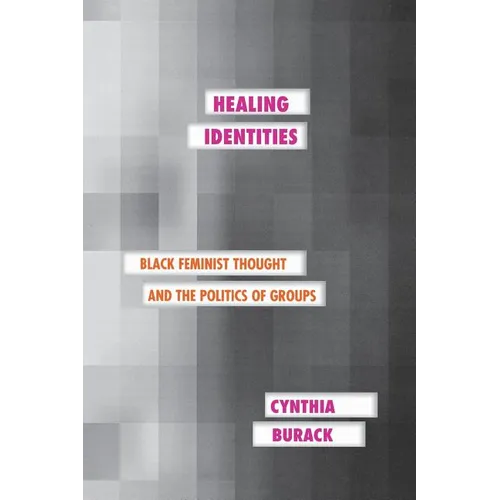
Group identifications famously pose the problem of destructive rhetoric and action against others. Cynthia Burack brings together the theory work of women of color and the tools of psychoanalysis to examine the effects of group collaborations for social justice and progressive politics. This juxtaposition illuminates some assumptions about race and equality encoded in psychoanalysis. Burack's discursive analysis suggests the positive, identity-affirming aspects of group relational life for African American women.
One analytic response to groups emphasizes the dangers of these identifications and exhorts people to abandon or transcend them for their own good and for the good of others who may be harmed by group-based forms of cultural or material violence. Another response understands that people feel a need for group identifications and asks how they may be made more resistant to malignant group-based discourse and action.
What can black feminist thought teach scholars and democratic citizens about groups? Burack shows how the rhetoric of black feminism models reparative, rather than destructive, forms of group dialogue and action. Although it may be impossible to eliminate group identifications that provide much of the impetus for bias and violence, she argues, we can encourage more progressive forms of leadership, solidarity, and coalition politics.
Author Biography
Cynthia Burack is Associate Professor of Women's Studies at The Ohio State University.



